Last updated: July 30, 2026
Ultherapy has reached a remarkable milestone – 4 million treatments performed globally with a documented 95% patient satisfaction rate. For Leicester, Massachusetts-area residents seeking non-surgical skin tightening, this landmark figure offers compelling evidence that ultrasound technology has earned its place as a trusted anti-aging solution. This article explores what that milestone means for patients and how ultrasound skin tightening can address droopy brows, turkey neck, and sagging jawlines without surgery.
What Does Ultherapy’s 4 Million Treatment Milestone Mean for Leicester Patients?
Ultherapy has now accumulated 4 million treatments worldwide, with a documented 95% patient satisfaction rate, according to the manufacturer. This milestone reflects widespread patient confidence in ultrasound skin tightening as a viable alternative to surgical facelifts for the right candidates. For Leicester-area patients, this figure signals that the technology has been thoroughly validated across diverse skin types and aging concerns.
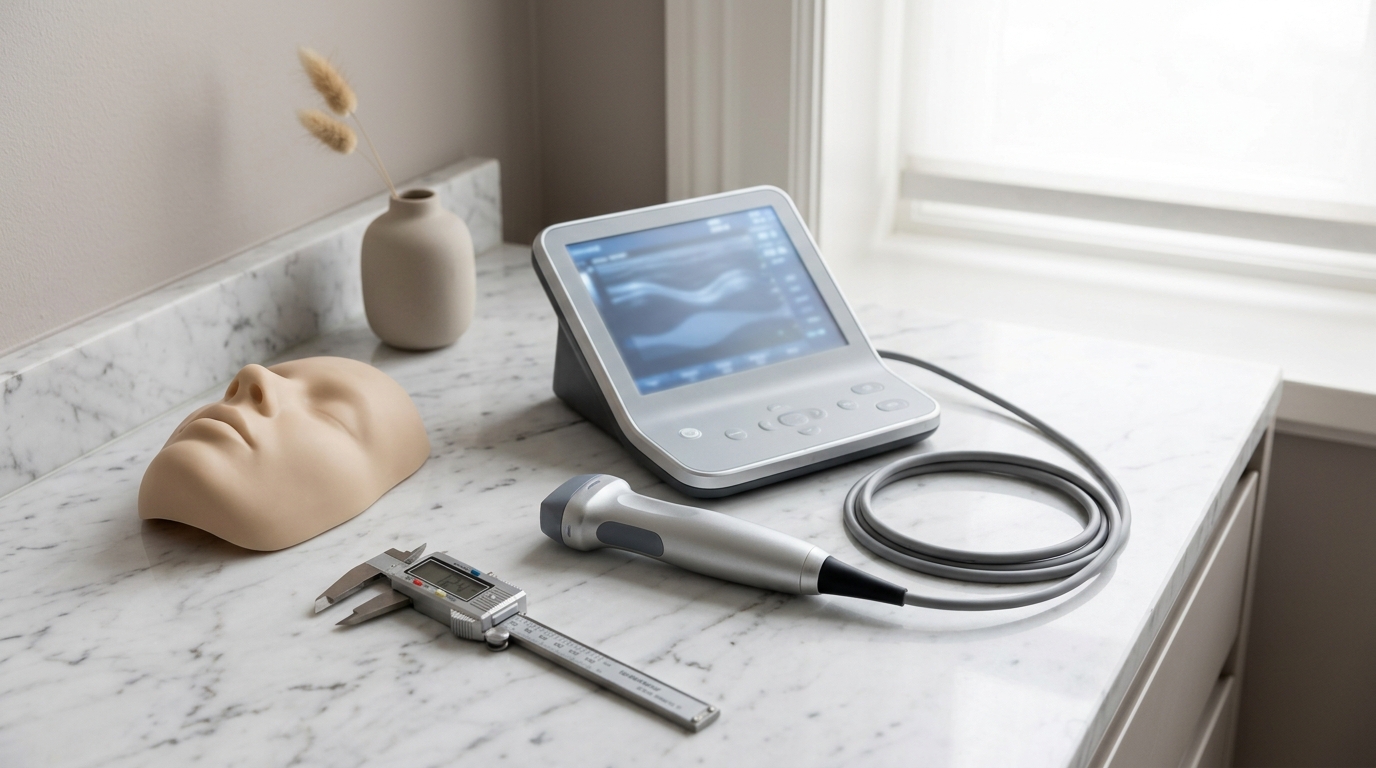
The satisfaction rate stems from documented clinical outcomes where patients reported visible lifting and tightening after a single treatment session. Manufacturer-reported data consistently shows that most patients experience gradual collagen regeneration over two to three months following the procedure. This accumulation of positive results across millions of treatments provides strong empirical reassurance for first-time patients considering the procedure in the Worcester County area.
What makes this milestone particularly meaningful is the technology’s longevity – treatments have remained consistently popular since FDA clearance, indicating sustained efficacy rather than a temporary trend. Patients in Auburn, Grafton, and surrounding Massachusetts communities can feel confident choosing a procedure that has weathered the test of consumer expectations.
How Was the 95% Patient Satisfaction Rate Determined?
The 95% figure is the manufacturer’s reported rate, based on patient satisfaction measured at one year after treatment. This figure represents patients who reported being satisfied or very satisfied with their results following the recommended treatment protocol. Reported outcomes span the common treatment areas, including brow lifting, neck tightening, and jawline contouring.
What Makes This Milestone Significant for Someone Considering Treatment?
For someone exploring skin tightening options near Leicester, this milestone demonstrates that millions of patients have already made the same decision and reported positive experiences. The high satisfaction rate suggests predictable outcomes when the procedure is performed by qualified practitioners using authentic equipment. Patients can approach their consultation with greater confidence, knowing the technology carries an extensive track record of success.
What Is Ultherapy and How Does It Work?
Ultherapy is an FDA-cleared, non-surgical ultrasound treatment that lifts and tightens skin on the neck, chin, brow, and décolletage by stimulating natural collagen production. The procedure uses focused ultrasound energy to target deep structural layers beneath the skin’s surface without disrupting the outer skin itself. This approach triggers the body’s own regenerative process, producing new collagen over time for gradual, natural-looking results.
The technology distinguishes itself by combining two functions: imaging allows practitioners to visualize skin layers in real-time, while focused ultrasound energy delivers precise thermal coagulating points at targeted depths. This dual capability enables treatment customization based on each patient’s unique skin anatomy and aging patterns. Unlike surface treatments that address only external signs of aging, ultrasound therapy reaches the foundational layer where laxity begins.
What Technology Powers Ultrasound Skin Tightening?
Ultrasound skin tightening relies on the same acoustic energy used in medical imaging, but concentrated and focused to produce thermal effects at specific depths within tissue. The Ultherapy device generates high-frequency sound waves that pass through the skin’s outer layers to create controlled heat at precise temperatures. This thermal energy stimulates collagen fibers to contract and triggers fibroblasts to produce new collagen over subsequent months. The imaging component uses lower-energy ultrasound waves to provide real-time visualization of tissue layers during treatment planning and delivery.
What Skin Layers Does Ultherapy Target?
Ultherapy specifically targets the deep dermal layer and the foundational SMAS (superficial muscular aponeurotic system) layer that surgeons address during surgical facelifts. By reaching this deeper structural layer, the treatment creates more significant lifting effects than surface-only procedures. The ability to precisely target these foundational tissues without surgery represents a fundamental advance in non-invasive skin rejuvenation for patients in West Boylston, Holden, and throughout Central Massachusetts.
Can Ultherapy Lift Droopy Brows Without Surgery?
Ultherapy offers a non-surgical approach to lifting drooping eyebrows by using ultrasound energy to stimulate collagen production in the forehead and brow region. The treatment targets the same structural tissues that brow lift surgery addresses, but without incisions, anesthesia, or downtime. Patients with mild to moderate brow droop often achieve noticeable elevation and opening of the eye area through this ultrasound eye lift approach.
Results develop gradually over two to three months as the skin produces new collagen, with continued improvement up to six months post-treatment. The non-surgical nature means patients can return to normal activities immediately, making it an attractive option for those who cannot accommodate surgical recovery time. Clinical observations from practitioners indicate that appropriate candidates experience meaningful elevation of the brow position, creating a more refreshed and alert appearance.
How Does Ultrasound Therapy Address Brow Sagging?
Ultrasound therapy addresses brow sagging by delivering focused energy to the deep tissues above the brow bone, causing immediate collagen fiber contraction and triggering long-term collagen regeneration. The treatment repositions the brow tissue upward by strengthening the structural support beneath the skin’s surface. Practitioners can customize the treatment depth and pattern based on each patient’s degree of brow droop and desired outcome. This precision allows for natural-looking elevation without the dramatic change sometimes associated with surgical brow lifts.
What Results Can Patients Expect from an Ultherapy Eye Lift?
Patients undergoing an Ultherapy eye lift can expect gradual elevation of the brow position, reduction of upper eyelid hooding, and a more open eye appearance. The results typically appear within two to three months as collagen rebuilds, with optimal outcomes visible around the six-month mark. The improvement is subtle yet significant – patients often report looking more rested and youthful without appearing as though they have had work done. Those exploring options for forehead sagging near Shrewsbury and Boylston can find this approach particularly appealing for its natural results.
How Does Ultherapy Eliminate Turkey Neck and Sagging Jowls?
Ultherapy effectively addresses turkey neck and jowl sagging by targeting the platysma muscle and underlying connective tissues in the neck and lower face. The ultrasound energy reaches the depths where neck laxity originates, stimulating collagen production that gradually tightens and lifts sagging skin. This ultrasound face tightening approach can significantly improve the appearance of loose skin beneath the chin and along the jawline without surgery.
The treatment proves particularly effective for addressing the transition zone between the neck and face where many patients experience the most noticeable aging changes. By delivering precise energy to the foundational structures, Ultherapy can redefine the jawline and reduce the appearance of banding that creates an aged neck profile. Patients with moderate neck laxity often see substantial improvement in contour and skin firmness.
What Makes Ultrasound Treatment Effective for Neck Laxity?
Ultrasound treatment effectively targets neck laxity because it reaches deeper tissue layers than topical treatments or surface-level procedures can access. The neck’s thin skin and visible aging signs respond well to collagen stimulation at the foundational level where tissue support originates. The technology’s imaging capability allows practitioners to visualize exactly where the energy is being delivered, ensuring consistent coverage of the treatment area. This precision makes ultrasound therapy particularly effective for addressing the vertical bands and horizontal creases associated with turkey neck.
Can Ultherapy Define the Jawline and Reduce Double Chin Appearance?
Ultherapy can improve jawline definition and reduce the appearance of a double chin by tightening the skin and underlying tissues along the lower face. The treatment lifts and firms the jowl area while enhancing the transition between the chin and neck for a more sculpted profile. While the procedure is not a weight loss treatment, it addresses the skin laxity and tissue sagging that contribute to an undefined jawline. Patients seeking to eliminate turkey neck concerns near Millbury and Paxton often combine this treatment with healthy lifestyle maintenance for optimal, lasting results.
What Areas of the Body Can Ultrasound Skin Tightening Treat?
Ultrasound skin tightening is FDA-cleared for treatment of the face, neck, chin, brow, and décolletage area. Beyond the face and neck, the technology can address loose skin on the body, including the chest area where aging and sun damage create wrinkles and skin laxity. The versatility of ultrasound therapy makes it a comprehensive option for patients experiencing skin loosening in multiple areas.
Treatment areas beyond the face include the chest and décolletage, where the device smooths wrinkles and tightens skin damaged by sun exposure. Practitioners can also treat loose body skin on areas like the abdomen, arms, and knees with customized approaches. This broader application provides patients with a non-surgical option for addressing skin laxity across various body regions without the commitment of surgical procedures.
Does Ultherapy Work on Loose Skin Beyond the Face?
Ultherapy works on loose body skin by stimulating collagen production in the deeper tissue layers of treated areas. The same ultrasound technology used on the face can be applied to the abdomen, arms, and other regions experiencing skin laxity. Results are typically more modest on the body compared to the face due to differences in skin thickness and underlying tissue composition. Patients with loose body skin near Worcester and Auburn should discuss their specific concerns with a qualified practitioner to determine realistic expectations.
Can Ultrasound Therapy Address Chest Wrinkles and Décolletage?
Ultrasound therapy can address chest wrinkles and Décolletage laxity through targeted ultrasound energy that stimulates collagen renewal in the skin layers of the upper chest. The Décolletage area responds particularly well to this treatment because the skin is thinner and shows early signs of aging from sun exposure. Patients see gradual improvement in skin texture, firmness, and the reduction of fine lines over several months following treatment. Those concerned about chest wrinkles near Grafton and Leicester can benefit from this non-surgical approach to rejuvenating the often-overlooked upper chest area.
What Should You Expect During an Ultherapy Procedure?
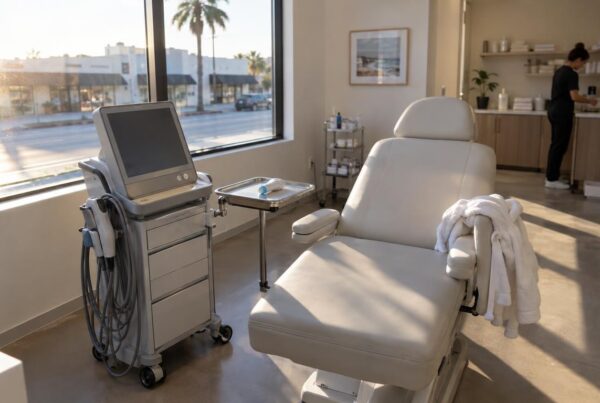
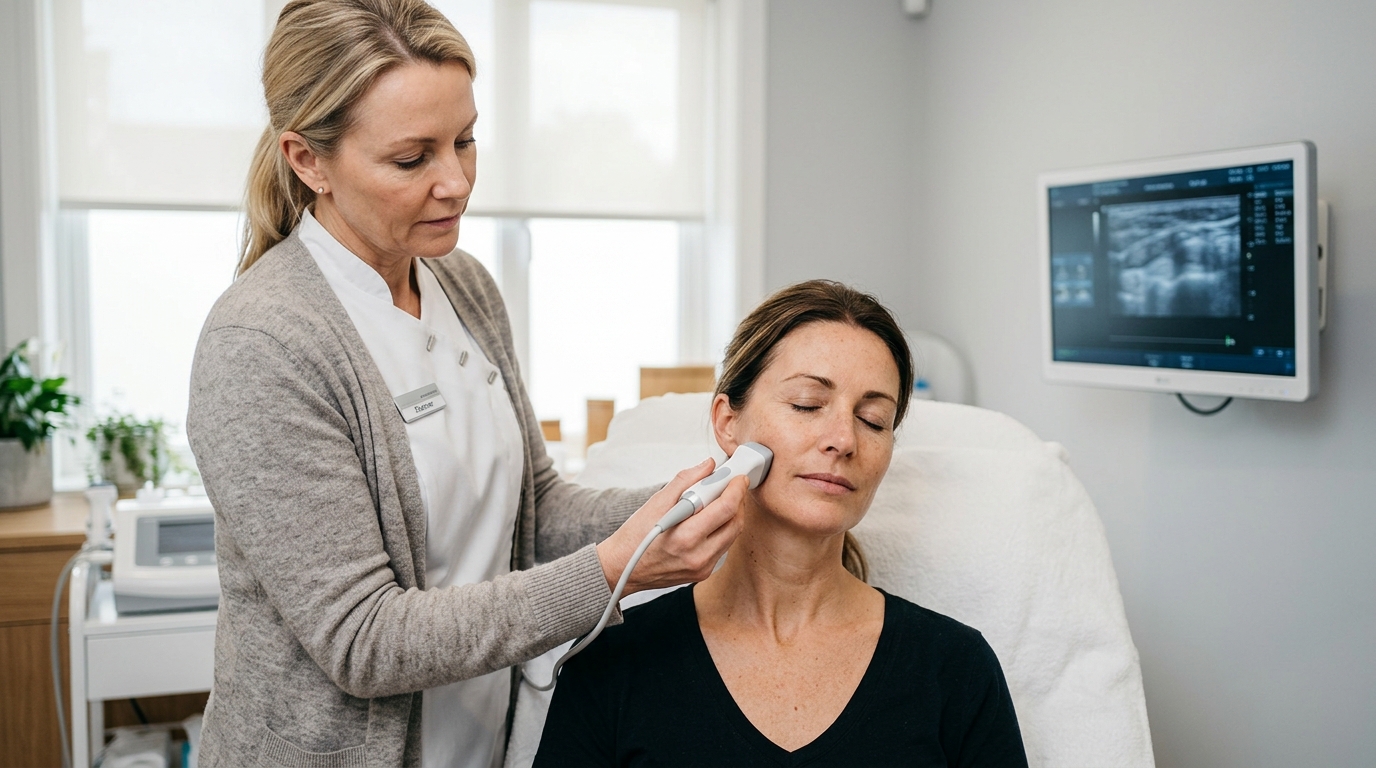
During an Ultherapy procedure, patients can expect a thorough consultation followed by cleansing of the treatment area and application of ultrasound gel. The practitioner uses a specialized handpiece to deliver focused ultrasound energy to targeted depths while viewing real-time imaging of the skin layers. The treatment typically lasts 60 to 90 minutes for a full face and neck treatment, though smaller areas may take less time.
Most patients describe the sensation as brief tingling or warmth as the ultrasound energy is delivered, though comfort levels vary by individual and treatment area. The neck and jawline tend to be more sensitive areas, while the forehead typically feels more comfortable. Topical numbing may be applied before treatment to enhance patient comfort, and practitioners can adjust the energy levels throughout the session.
How Long Does an Ultherapy Treatment Take?
A full-face Ultherapy treatment typically takes 60 to 90 minutes, while a neck-only treatment may require 30 to 45 minutes. Smaller areas such as the brow or Décolletage can be completed in 30 minutes or less. Patients should plan for additional time at the beginning of the appointment for consultation and preparation. There is no significant downtime required, allowing patients to resume normal activities immediately following the procedure.
Is Ultherapy Comfortable During the Ultrasound Application?
Comfort during Ultherapy varies by individual pain tolerance and the specific area being treated, with most patients experiencing temporary warmth or tingling sensations. Patients with lower pain thresholds may benefit from topical anesthetic or over-the-counter pain medication taken before the appointment. The practitioner can adjust the energy level to maintain comfort while still delivering effective treatment. In clinical practice, most patients find the procedure manageable and worth the results they achieve.
Ultherapy vs. Surgical Facelift: Which Is Right for You?
Ultherapy and surgical facelifts address skin laxity through fundamentally different approaches – Ultherapy uses ultrasound energy to stimulate natural collagen production without incisions, while surgical facelifts remove excess skin and reposition underlying tissues through invasive techniques. The ideal choice depends on the severity of aging concerns, desired results, tolerance for downtime, and personal preferences regarding surgical intervention.
Ultherapy suits patients with mild to moderate skin laxity who seek improvement without surgery, anesthesia, or recovery time. Surgical facelifts (see our facelift surgery) remain appropriate for patients with significant skin excess, advanced aging changes, or those desiring more dramatic and longer-lasting results. Many patients between these categories benefit from starting with Ultherapy and reassessing results before considering surgical options.
What Are the Key Differences Between Surgical and Non-Surgical Skin Lifting?
The key differences between surgical and non-surgical skin lifting include invasiveness, recovery time, longevity of results, and the scope of correction achievable. Surgical facelifts provide immediate, dramatic results that can last 10 to 15 years but require anesthesia, incisions, and several weeks of recovery. Ultherapy offers gradual improvement over several months with no downtime, though results typically last 1 to 2 years and may require maintenance treatments. Patients should weigh their priorities regarding immediacy of results, recovery constraints, and willingness to undergo surgery.
Who Is the Ideal Candidate for Ultrasound Skin Tightening?
The ideal candidate for ultrasound skin tightening is an adult with mild to moderate skin laxity who prefers a non-surgical approach to facial rejuvenation. Good candidates have realistic expectations about gradual results and understand that Ultherapy produces subtle to moderate improvement rather than the dramatic changes of surgery. Patients with severe skin excess or significant structural aging may be better candidates for surgical options like those available at Salisbury Plastic Surgery. A consultation with Dr. Deborah Ekstrom can help Leicester-area patients determine whether Ultherapy or a surgical approach best addresses their specific concerns.
If you are considering Ultherapy or exploring your options for addressing sagging skin, drooping brows, or turkey neck, the team at Salisbury Plastic Surgery can help you understand which approach aligns with your goals. We invite you to schedule a consultation with Dr. Deborah Ekstrom and our experienced team to discuss how ultrasound skin tightening or other facial rejuvenation procedures can help you achieve your desired appearance. Contact Salisbury Plastic Surgery today to take the first step toward a more refreshed, youthful look.
Frequently Asked Questions
How long do Ultherapy results last?
Ultherapy results typically last one to two years before maintenance treatments may be needed. Results develop gradually over two to three months as collagen regenerates, with continued improvement up to six months post-treatment. The gradual nature of the outcome produces natural-looking lifting and tightening that ages gracefully with the patient.
What does Ultherapy’s 95% patient satisfaction rate mean?
The 95% patient satisfaction rate reflects aggregate data from clinical surveys and patient feedback collected across authorized Ultherapy providers worldwide. This figure represents patients who reported being satisfied or very satisfied with their results following the recommended treatment protocol, encompassing diverse treatment areas including brow lifting, neck tightening, and jawline contouring.
How does Ultherapy work to tighten skin without surgery?
Ultherapy uses focused ultrasound energy to target deep structural layers beneath the skin’s surface, reaching the same SMAS layer that surgeons address during facelifts. The dual capability of real-time imaging and precise energy delivery stimulates natural collagen production. This triggers the body’s regenerative process, producing new collagen over time for gradual, natural-looking results without incisions or downtime.
What areas of the body can Ultherapy treat?
Ultherapy is FDA-cleared for the face, neck, chin, brow, and décolletage area. Beyond the face and neck, practitioners can treat loose body skin on areas like the abdomen, arms, and knees with customized approaches. The chest and décolletage respond particularly well, as the thinner skin shows early aging signs from sun exposure.
How does Ultherapy compare to a surgical facelift?
Ultherapy offers gradual improvement over several months with no downtime, while surgical facelifts provide immediate, dramatic results lasting 10 to 15 years but requiring anesthesia, incisions, and several weeks of recovery. Ultherapy suits patients with mild to moderate skin laxity, while surgical facelifts remain appropriate for those with significant skin excess or advanced aging changes.
What should I expect during an Ultherapy treatment session?
A full-face Ultherapy treatment typically lasts 60 to 90 minutes, while neck-only treatment requires 30 to 45 minutes. Most patients experience temporary tingling or warmth as ultrasound energy is delivered, with the neck and jawline being more sensitive areas. Topical numbing may be applied for comfort, and patients can resume normal activities immediately with no significant downtime required.
Who is the best candidate for Ultherapy?
The ideal candidate is an adult with mild to moderate skin laxity who prefers a non-surgical approach to facial rejuvenation. Good candidates have realistic expectations about gradual results and understand that Ultherapy produces subtle to moderate improvement rather than dramatic surgical changes. Patients with severe skin excess or significant structural aging may be better suited for surgical options.