When I began performing breast augmentation in the mid-1980s, breast implants were very different from the ones we use today. They certainly helped many women achieve beautiful results, but the technology has advanced tremendously over the past forty years.
Early silicone implants contained a softer, more liquid silicone gel and were manufactured with thinner shells – ruptures were not uncommon. Saline implants also became popular during that era, particularly during the years when silicone implants were undergoing additional FDA evaluation. Implant choices were relatively limited, with fewer sizes and projections available to match each woman’s anatomy and aesthetic goals.
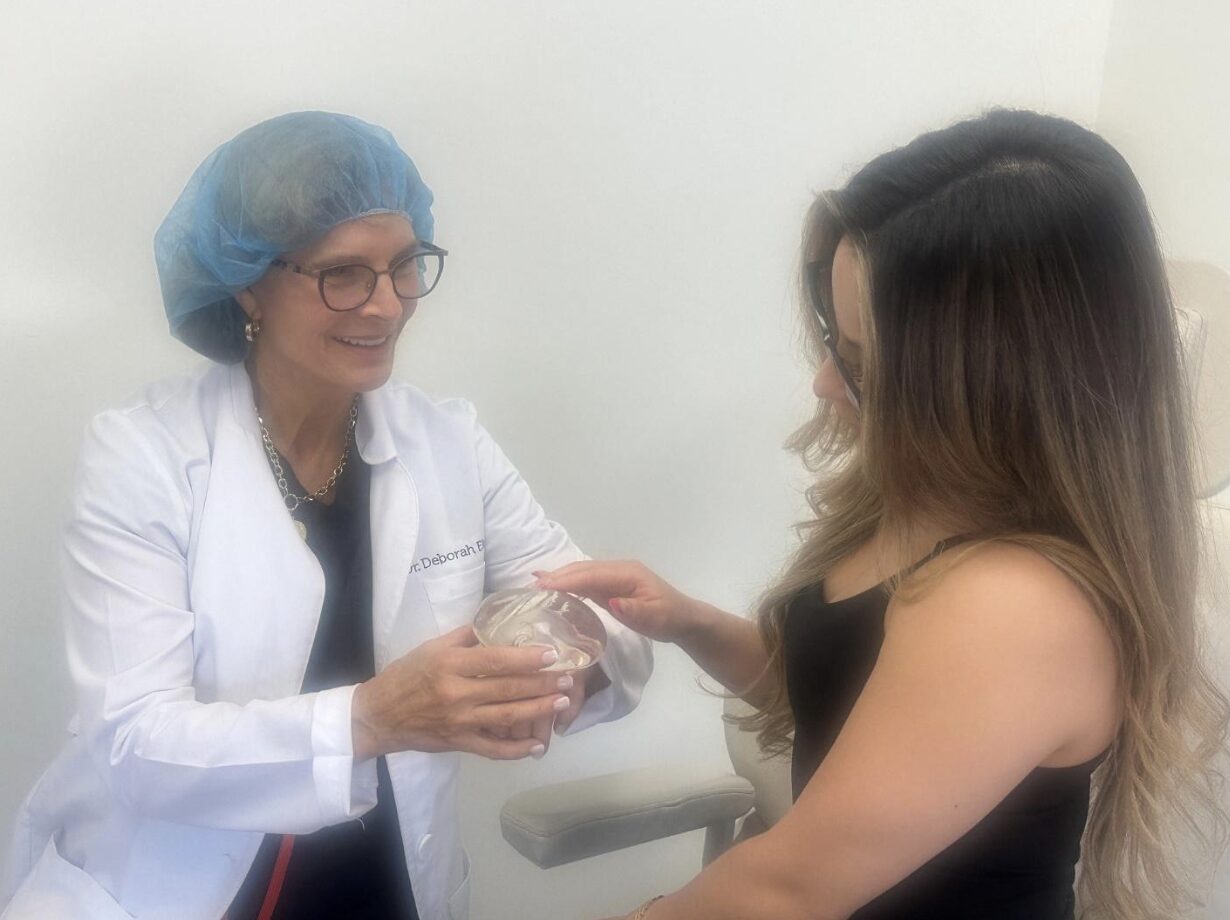
Today’s implants represent decades of careful research, engineering, and clinical experience. Modern silicone gel implants contain a highly cohesive gel that better maintains its shape while still feeling remarkably natural. Improvements in shell design have enhanced durability, and manufacturers now offer a wide variety of implant sizes, widths, and projections, allowing surgeons to individualize treatment rather than relying on a one-size-fits-all approach.
Equally important, we have learned much more about surgical planning. Selecting the appropriate implant is only one part of achieving a beautiful result. Careful measurements, consideration of tissue characteristics, and thoughtful discussion of each patient’s goals allow us to create results that complement the individual’s body.
Patients often ask whether breast implants continue to improve. The answer is yes. Manufacturers continue refining shell technology, gel cohesiveness, and long-term durability. Research is also focused on improving implant longevity and developing even more sophisticated methods for monitoring implants over time.