
Last updated: August 31, 2026
When patients begin researching body lift surgery in the Worcester area, one factor increasingly stands out during their decision-making process: surgeon credentials. Board certification and facility accreditation have become primary decision factors for patients seeking circumferential body lift procedures, with practices across central Massachusetts prominently featuring surgeon qualifications to build trust.
What Is a Full Body Lift and Who Is It For?
A full body lift, also called a circumferential body lift or 360 body lift, is a comprehensive surgical procedure designed to remove excess skin and tissue from the entire midsection of the body. This belt lipectomy surgery addresses skin laxity and uneven body contours that often develop after significant weight loss or as a result of aging and genetics.
Unlike procedures targeting a single area, a circumferential body lift treats the abdomen, flanks, lower back, and buttocks in one operation. This comprehensive approach creates smoother, more harmonious body proportions by addressing skin folds and hanging body skin that exercise alone cannot resolve.
The ideal candidate for this body contouring surgery is an adult in good general health who has achieved a stable weight close to their target goal. Candidates typically have significant excess skin, particularly around the midsection and thighs, and realistic expectations about scarring and recovery. Patients from communities throughout central Massachusetts, including Auburn, Grafton, and Leicester, often seek this procedure after weight loss or pregnancy to restore confidence in their appearance.
How Does a Full Body Lift Differ from a Lower Body Lift?
While the terms are sometimes used interchangeably, a lower body lift typically focuses on the hip, thigh, and buttock region, whereas a body lift or circumferential body lift extends the treatment to include the entire torso circumference. A belt lipectomy specifically addresses the midsection by removing skin and fat in a circular pattern around the waistline.
What Areas Does a Circumferential Body Lift Address?
A circumferential body lift treats the front, sides, and back of the torso. This includes the abdomen, love handles, lower back rolls, and buttocks. The procedure creates a smooth contour from the chest to the upper thighs, addressing skin laxity and body skin folds that accumulate after weight loss or aging.
Why Board Certification Matters for Your Body Lift Procedure?
Board certification in plastic surgery represents the gold standard for surgeon qualifications. Research from JAMA Surgery confirms that board-certified surgeons consistently demonstrate superior patient outcomes and lower complication rates.

When considering a circumferential body lift, board certification ensures your surgeon has specifically trained in body contouring procedures. This specialized knowledge is essential for achieving natural-looking results while minimizing risks during this complex operation.
What Credentials Should Your Body Lift Surgeon Have?
Beyond board certification, look for a surgeon with hospital privileges at reputable medical centers in your area. Such privileges indicate the surgeon has met stringent peer review standards. Experience with post-weight loss body contouring cases is particularly valuable, as these procedures require nuanced understanding of skin elasticity and tissue management.
How Do I Verify a Plastic Surgeon’s Board Certification?
Patients can verify board certification through the American Board of Medical Specialties database. State medical boards also maintain public records of physician credentials and any disciplinary history. At Salisbury Plastic Surgery, Dr. Deborah Ekstrom maintains full board certification and encourages patients to verify credentials before scheduling consultations.
What Should I Expect During a Full Body Lift Consultation?
The consultation forms the foundation of a successful body lift journey. During this appointment, your surgeon will review your medical history, examine areas of excess skin, and discuss your aesthetic goals. Expect a thorough discussion of the belt lipectomy procedure, including potential scarring, recovery timeline, and realistic expectations for your results.

A quality consultation includes a physical assessment of skin quality, tissue elasticity, and overall health. Your surgeon should explain how a 360 body lift addresses your specific concerns and whether combination procedures might enhance your outcome. Patients who have achieved significant weight loss with GLP-1 weight loss medications should discuss their complete transformation journey with their surgeon.
How Should I Prepare for My Body Lift Consultation?
Prepare a comprehensive medical history including previous surgeries, chronic conditions, and current medications. Bring photos illustrating your desired outcome, and write down questions about the procedure, recovery, and surgeon experience. Patients considering body contouring after GLP-1 weight loss should discuss their complete weight loss journey with their surgeon.
What Questions Should I Ask About Full Body Lift Results?
Ask about the surgeon’s experience with circumferential body lift procedures and request to see before-and-after photos of similar cases. Inquire about expected scarring patterns, recovery milestones, and how complications are managed. Understanding the surgeon’s approach to follow-up care helps establish realistic expectations for your transformation.
What Is Recovery Like After a Full Body Lift?
Recovery from a circumferential body lift requires patience and careful adherence to post-operative instructions. Most patients need several weeks before returning to normal activities, with complete healing extending over several months. Initial recovery focuses on managing discomfort, monitoring for complications, and allowing tissues to settle into their new contours.
Swelling and bruising are normal parts of the healing process and gradually subside over time. Patients from West Boylston, Boylston, and surrounding Massachusetts communities should plan for adequate rest during the initial recovery period.
How Long Until I Can Return to Normal Activities After a Body Lift?
Most patients return to desk work within three to four weeks after this procedure. More strenuous activities and exercise should be avoided for six to eight weeks. Heavy lifting and core-stressing movements require additional time before resuming. Your surgeon will provide personalized guidance based on your healing progress.
What Compression Garments Are Needed After Body Lift Surgery?
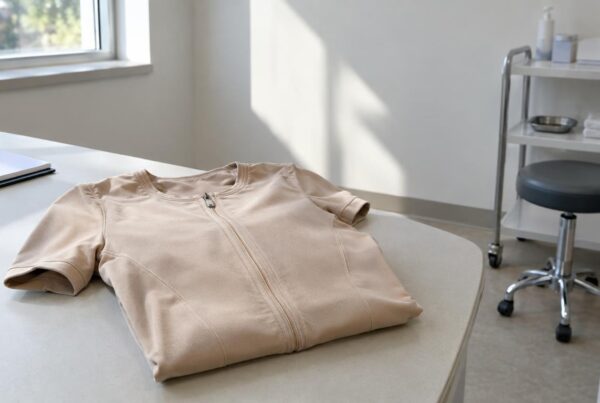
Compression garments play a crucial role in recovery by reducing swelling, supporting healing tissues, and improving contour definition. Patients typically wear compression garments for several weeks following surgery. These garments should fit snugly without causing discomfort, and multiple garments may be needed as swelling decreases.
How Do I Choose the Right Body Lift Surgeon in Massachusetts?
Selecting the right surgeon for your circumferential body lift requires careful evaluation of credentials, experience, and communication style. Board certification in plastic surgery should be your non-negotiable baseline. Beyond this fundamental requirement, consider the surgeon’s specific experience with body lift procedures and their approach to patient care.
Practices serving the Worcester area should offer transparent information about their surgeons’ training and track record. Look for practices that prioritize education and ensure patients feel comfortable asking questions throughout their journey.
What Should I Look for in a Body Lift Practice Near Me?
A quality body lift practice maintains clean, accredited facilities and employs experienced support staff. Look for practices that offer thorough consultations, comprehensive aftercare programs, and clear communication channels. Practices featuring lower body lift surgery and related body contouring procedures demonstrate the range of expertise necessary for complex cases.
How Can I Compare Body Lift Surgeons in the Worcester Area?
Schedule consultations with multiple board-certified plastic surgeons to compare their approaches and personalities. Pay attention to how thoroughly they explain the procedure and whether they address your specific concerns. Consider their experience with patients from your community and their familiarity with your body type and aesthetic goals. Practices in Holden, Shrewsbury, and Paxton serve diverse patient populations with varying needs.
Risks, Side Effects and Who Is Not a Candidate
Like all surgical procedures, a body lift carries inherent risks including infection, bleeding, and reactions to anesthesia. Specific complications associated with circumferential body lift procedures include seroma formation, delayed wound healing, visible scarring, and changes in skin sensation. Revision surgery may be necessary in some cases to achieve optimal results.
Not everyone is an appropriate candidate for this procedure. Individuals with uncontrolled chronic medical conditions, unrealistic expectations about outcomes, or active infections should avoid surgery. Smoking significantly increases complication risks and should be discontinued before the procedure. Patients should discuss all health concerns with their surgeon and maintain open communication throughout their care.
If you are considering this surgery and want to learn whether this procedure aligns with your goals, schedule a consultation with the team at Salisbury Plastic Surgery. Dr. Deborah Ekstrom and the experienced staff will evaluate your needs, answer your questions, and guide you through every step of your body contouring journey. Contact Salisbury Plastic Surgery today to take the first step toward transforming your appearance with personalized care from a trusted provider in the Worcester area.
Frequently Asked Questions
What is a full body lift surgery?
A full body lift, also called a circumferential or 360 body lift, is a comprehensive surgical procedure that removes excess skin and tissue from the entire midsection of the body. This belt lipectomy surgery addresses the abdomen, flanks, lower back, and buttocks in one operation, creating smoother body contours after significant weight loss or due to aging and genetics.
Who is a good candidate for a full body lift?
Ideal candidates are adults in good general health who have reached a stable weight close to their target goal. They typically have significant excess skin around the midsection and thighs with realistic expectations about scarring and recovery. The procedure suits those experiencing skin laxity that exercise cannot resolve.
Why does board certification matter for body lift surgery?
Board certification ensures your surgeon has completed rigorous training specifically in plastic and reconstructive procedures. Research published in JAMA Surgery demonstrates that board-certified plastic surgeons achieve better patient outcomes and lower complication rates. This credential verifies the surgeon has passed comprehensive examinations and meets established standards for safety and competence.
How long is recovery after a full body lift?
Most patients need several weeks before returning to normal activities, with complete healing extending over several months. Most patients return to desk work within 3-4 weeks, while more strenuous activities and exercise should be avoided for 6-8 weeks. Your surgeon will provide personalized guidance based on your healing progress.
What should I expect from full body lift results?
A circumferential body lift creates smoother contours from the chest to the upper thighs by removing excess skin and fat in a circular pattern around the waistline. The procedure addresses skin folds and body skin that accumulates after weight loss or aging. Patients should maintain realistic expectations about scarring and the recovery timeline.
How do I verify a plastic surgeon’s board certification?
Patients can verify board certification through the American Board of Medical Specialties database. State medical boards also maintain public records of physician credentials and any disciplinary history. Additionally, look for surgeons with hospital privileges at reputable medical centers, which indicate they have met stringent peer review standards.
What is the difference between a full body lift and a lower body lift?
A lower body lift focuses on the hip, thigh, and buttock region, while a full body lift extends treatment to include the entire torso circumference. A belt lipectomy specifically targets the midsection by removing skin and fat around the waistline in a circular pattern, making a full body lift the more comprehensive procedure.
This article is general information and is not medical advice. Talk to a licensed clinician about your own situation before making a treatment decision.