Last updated: October 23, 2026
ThermiVa is a nonsurgical treatment that uses controlled radiofrequency heat for selected vulvar and vaginal concerns. We offer it at Salisbury Plastic Surgery in Corona del Mar, California.
What Is ThermiVa?
ThermiVa is a nonsurgical treatment that applies controlled radiofrequency heat to external labial tissue and, when appropriate, vaginal tissue. At Salisbury Plastic Surgery, the treatment may be considered for external labial laxity, some vaginal tightening, or minor stress urinary incontinence.
Is ThermiVa a surgical procedure?
No. ThermiVa heats tissue without an incision or tissue removal. Our labiaplasty service also includes surgical trimming, which removes labial tissue to change its shape.
How Does ThermiVa Work, and What Does the Research Show?
What does radiofrequency heat do to tissue?
Radiofrequency energy warms tissue beneath the probe. Heat can contract existing tissue fibers and trigger a remodeling response as tissue heals. Karcher and Sadick’s 2016 review of vaginal rejuvenation using energy-based devices describes proposed changes involving collagen, elastin, and vaginal tissue. A plausible mechanism is not the same as proof that a particular symptom will improve.
How strong is the evidence for ThermiVa?
The evidence for ThermiVa’s symptom benefits is preliminary. A 2016 review focused on ThermiVa describes promising results for vaginal laxity and stress urinary incontinence, but it discusses an emerging treatment rather than establishing durable improvement in those or other symptoms. Karcher and Sadick’s broader review considers several energy-based devices; its findings cannot automatically be applied to ThermiVa.
Is ThermiVa FDA-cleared for vaginal rejuvenation?
Yes. The American Board of Cosmetic Surgery’s guide to feminine rejuvenation identifies ThermiVa as an FDA-cleared nonsurgical device. An FDA adverse-event listing for ThermiVa shows a 510(k) number but does not provide its cleared indications. Device clearance is not FDA approval of every claimed benefit: neither source verifies whether treatment for vaginal looseness, dryness, sexual concerns, or incontinence falls within ThermiVa’s cleared labeling. We would check the clearance documentation before describing a particular use as cleared; a use outside that labeling is off-label.
Who Might Consider ThermiVa for Vaginal Looseness or Other Concerns?
Adults bothered by external labial laxity, a feeling of vaginal looseness, or minor stress-related bladder leaks may ask whether ThermiVa fits their goals. At Salisbury Plastic Surgery, those are the concerns for which we discuss the radiofrequency approach.
Can ThermiVa help with bladder leaks, dryness, or intimate sensation?
ThermiVa may help some patients with minor stress urinary incontinence, but tissue heating is not a dependable fix for every type of bladder leak. Vaginal dryness and reduced intimate sensation are also understandable reasons to ask about treatment; improvement in either symptom is uncertain. Hormonal changes, pelvic-floor problems, irritation, and other conditions can contribute to these concerns.
What Happens During ThermiVa Treatment and Recovery?
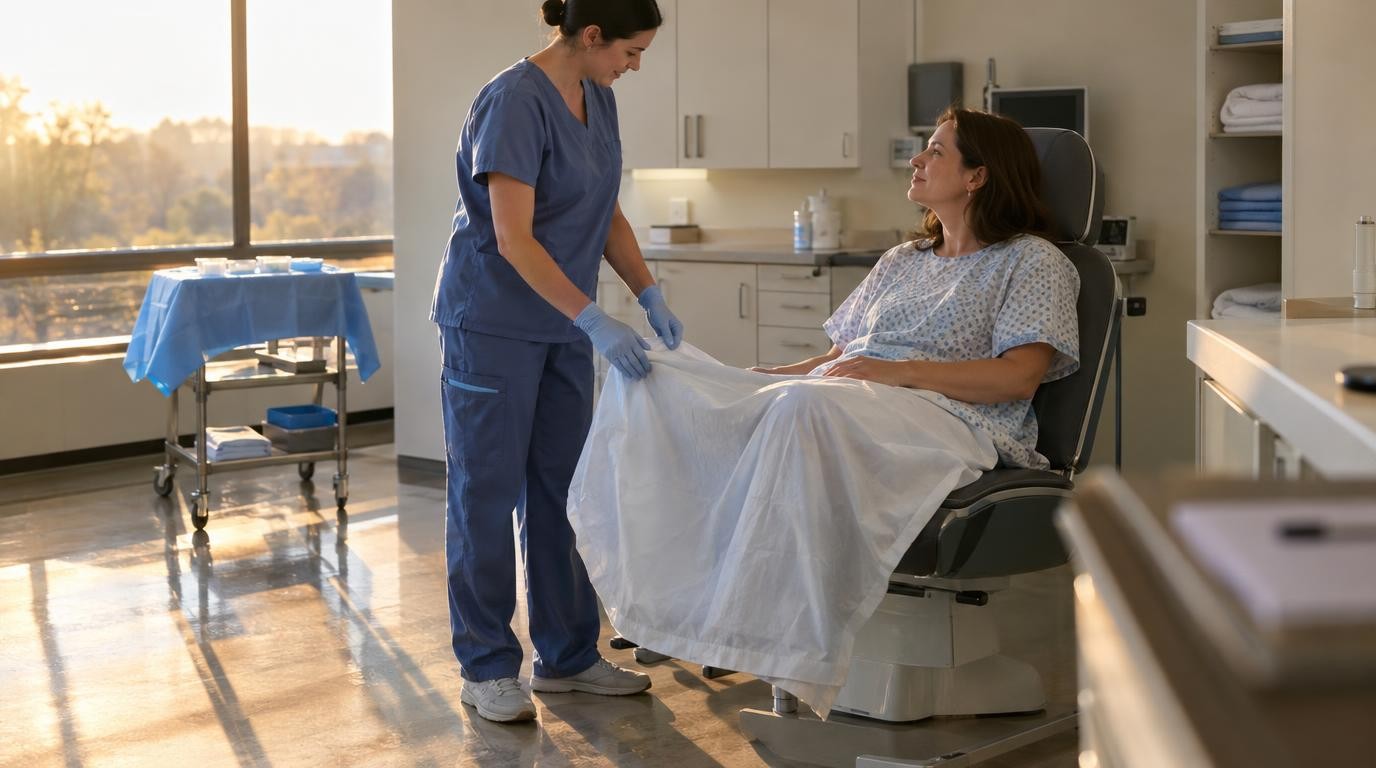
ThermiVa treatment generally follows these steps:
- We review your concerns and examine the area to plan external treatment, internal vaginal treatment, or both.
- We apply controlled radiofrequency heat to the planned tissue.
- After treatment, we provide aftercare and activity instructions for your situation.
How is the radiofrequency probe used?
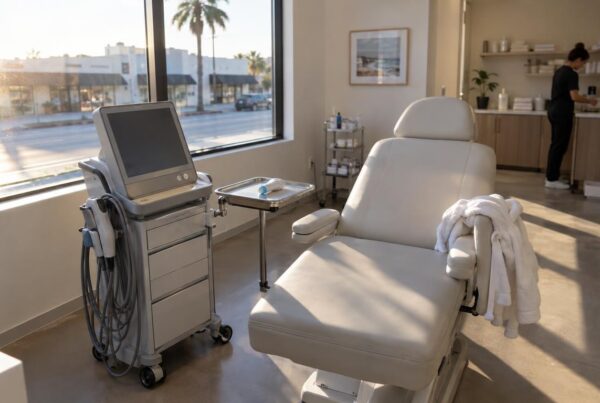
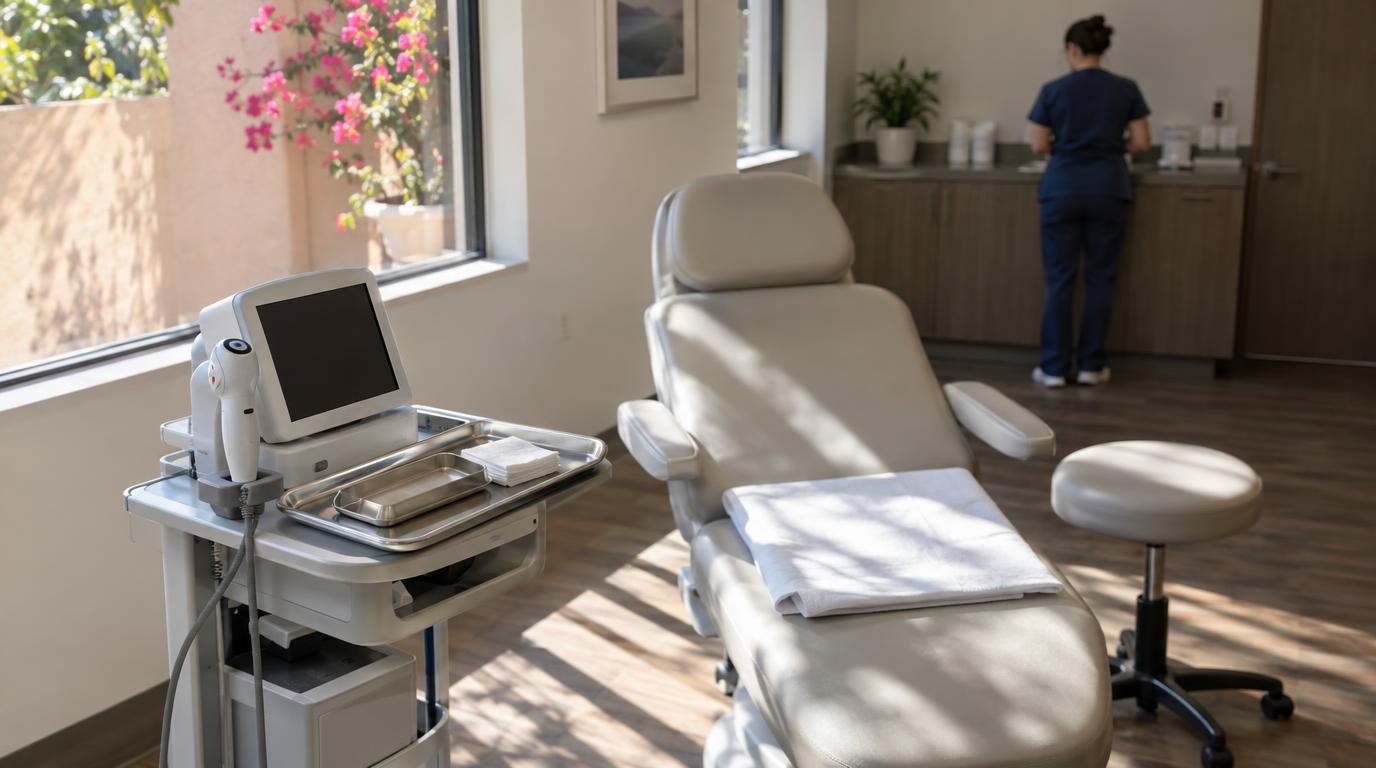
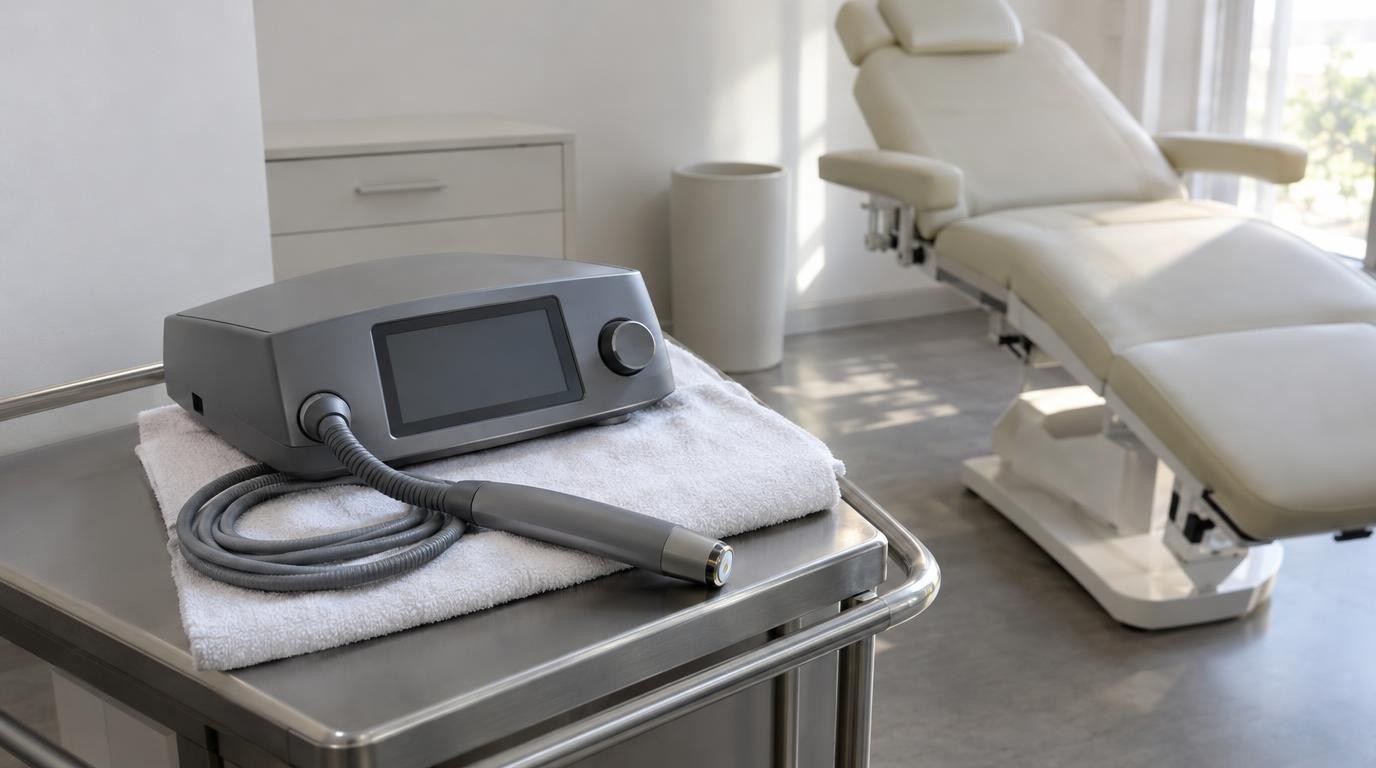
An article on the American Society of Plastic Surgeons’ website describes a specially designed electrode wand that delivers controlled radiofrequency heat to the chosen area. If internal treatment is planned, the wand is also used in the vaginal canal.
Will I need downtime after ThermiVa?
Patients can generally return to their everyday routine right after ThermiVa, although tenderness or irritation may affect comfort. Follow the aftercare instructions for your treatment; the postoperative restrictions for surgical labiaplasty do not automatically apply.
How Long Does ThermiVa Last?
There is no reliable single duration of ThermiVa benefit that applies to everyone. Symptoms may change over time, and some patients consider additional treatment if benefits fade. Judge the result by the symptom that brought you in, not only by a change in how tissue looks or feels.
When should I expect to notice a change?
The article on the American Society of Plastic Surgeons’ website describes tightening that can be noticed immediately and may continue to improve over the next few weeks as collagen production occurs. An early tissue change does not establish whether your symptoms will improve or how long a benefit will last.
What Are ThermiVa’s Risks, Side Effects, and Reasons to Avoid It?
ThermiVa can cause discomfort or irritation, and radiofrequency heat can injure tissue. Burns, persistent pain, scarring, and painful intercourse are possible concerns, but how often these occur after ThermiVa is not established. An existing medical condition may affect whether treatment is appropriate.
FDA adverse-event reports describe pain, bruising, irritation, and skin tears following reported ThermiVa use. Such reports identify possible safety concerns; they do not show how often an event occurs or, on their own, prove what caused it. Seek prompt medical care for severe or worsening pain, a suspected burn or blister, heavy bleeding, fever, or difficulty urinating after treatment.
Who needs a medical evaluation before radiofrequency treatment?
Postpone ThermiVa during pregnancy or while you have an active vulvar or vaginal infection; have an infection evaluated and treated before reconsidering treatment. If you have a pacemaker or another implanted medical device, tell us and the clinician who manages it so its specific radiofrequency precautions can be reviewed. An implant does not automatically rule out treatment. Have urinary or vaginal symptoms and other relevant medical conditions evaluated before deciding whether ThermiVa is suitable; more substantial incontinence should not be assumed to respond to tissue heating.
How Is ThermiVa Different From Labiaplasty or Votiva?
ThermiVa and surgical labiaplasty differ in what they change and the recovery they involve:
| Option | How it works | What to weigh |
|---|---|---|
| ThermiVa | Radiofrequency heats the external labia, vaginal canal, or both without removing tissue. | Little downtime is typical, but symptom improvement is uncertain. |
| Surgical labiaplasty | Trims enlarged or uneven inner labial tissue. | It changes labial anatomy directly but requires surgical recovery. |
When might surgical labiaplasty be the better option?
When the concern is an enlarged or uneven inner labial fold that causes clothing irritation or discomfort, surgical trimming may address the anatomy more directly than radiofrequency heating. After surgical labiaplasty, we advise avoiding intercourse and strenuous activity for about 4 to 6 weeks. That is surgical recovery guidance, not a ThermiVa restriction. Our guide to labiaplasty and physical comfort offers context for weighing the concern.
What is Votiva?
Votiva is a separate radiofrequency-based vulvovaginal treatment platform, not another name for ThermiVa. Although both use radiofrequency energy, their devices and treatment plans are not interchangeable.
Is red light therapy the same as ThermiVa?
No. Cleveland Clinic’s explanation of red light therapy describes treatment using low levels of red light, rather than the radiofrequency energy ThermiVa uses to heat tissue. Cleveland Clinic’s overview of LED light therapy discusses possible effects on skin inflammation and collagen, but those findings do not establish that red light applied to genital tissue tightens the vagina, treats bladder leakage, or produces ThermiVa’s effects.
Frequently Asked Questions
How many ThermiVa treatments will I need?
The American Society of Plastic Surgeons describes a course of three treatments over three months for optimal results.
How long does a ThermiVa appointment take?
The treatment itself takes about 30 minutes and can be performed in an office, according to the article on the American Society of Plastic Surgeons’ website. Allow additional time for preparation and aftercare instructions.
Do I need anesthesia for ThermiVa?
No. The article on the American Society of Plastic Surgeons’ website describes ThermiVa as an in-office treatment performed without anesthesia. If the heat becomes painful, tell the person administering treatment immediately so they can assess whether to adjust or stop.
How soon can I have sex after ThermiVa?
The article on the American Society of Plastic Surgeons’ website says patients can resume sexual activity immediately after ThermiVa. If you have tenderness or irritation, wait until you are comfortable and follow your aftercare instructions.
What kinds of bladder leaks might ThermiVa help?
ThermiVa has been discussed for mild stress urinary incontinence – leakage during activities such as coughing, laughing, or exercise. It is not a dependable treatment for every type of bladder leak, including leakage associated with a sudden urge to urinate.
How Can You Decide Whether ThermiVa Is Right for You?
Decide what you most want to change—such as labial appearance, friction with clothing, or urinary leakage—because tissue contraction does not necessarily relieve every symptom. Weigh the possibility of little or no improvement against the risks of heat treatment and the recovery involved with surgery.
Treatment depends on the cause of your symptoms. For stress-related bladder leakage, pelvic-floor physical therapy may be an option; our guide to noninvasive pelvic-floor therapy and urinary incontinence discusses this approach. For vaginal dryness or atrophy, a clinician may suggest lubricants, moisturizers, or topical vaginal hormonal therapy when appropriate. Surgical labiaplasty reshapes the labia but does not treat vaginal dryness or urinary leakage.
If you are coming from Huntington Beach, Salisbury Plastic Surgery welcomes you to contact our team for a private consultation with Dr. Deborah Ekstrom in Corona del Mar, California. We can discuss your symptoms, examine the relevant anatomy, and help you weigh ThermiVa against other appropriate options without promising a particular result.
This information is general and is not medical advice. Talk to a licensed clinician about your own situation before making a treatment decision.