Last updated: August 25, 2026
Recent advances in wound closure technology are reshaping how plastic surgeons approach laceration repair. A Medscape report published in August 2026 featured expert commentary from Tufts Medical Center’s Dr. Christopher Homsy on next-generation sutures that go far beyond traditional materials. These innovations incorporate antimicrobial properties, anti-inflammatory coatings, pain-relief features, growth factor delivery, and even sensor capabilities – all designed to improve healing outcomes during the critical first two weeks after injury. For patients in Central Massachusetts seeking laceration repair near Worcester, Paxton, and surrounding communities, these developments signal a new era in wound care that prioritizes faster recovery and better cosmetic results.
What Makes Today’s Sutures Different for Laceration Repair?
Traditional sutures served a single purpose: holding wound edges together mechanically. Modern suture technology has evolved into something far more sophisticated. According to the Medscape coverage from August 2026, today’s advanced wound closure materials function as active therapeutic agents rather than passive mechanical supports. These next-generation sutures deliver multiple therapeutic benefits simultaneously during the healing process.
What new suture technologies are available in 2026?
Surgeons now have access to sutures engineered with multiple functional enhancements. Antimicrobial coatings prevent bacterial colonization at the wound site. Anti-inflammatory properties reduce tissue reaction to the suture material itself. Some designs incorporate growth factors that actively stimulate tissue regeneration. Emerging sensor-enabled sutures can monitor wound conditions and transmit data to healthcare providers. These technologies represent a fundamental shift from passive wound closure to active wound healing support.
How do advanced sutures improve wound healing compared to traditional options?
Traditional sutures could sometimes worsen inflammation or increase infection risk. Advanced materials minimize tissue reactivity while delivering therapeutic benefits. Growth factor-enhanced sutures actively promote faster tissue regeneration. The result is improved cosmetic outcomes with reduced complications. For patients, this means smaller scars, fewer follow-up visits for infection concerns, and faster return to normal activities.
How Do Advanced Suture Materials Work During the First Two Weeks?
The first two weeks after laceration repair represent the most critical period for wound healing outcomes. During this tissue interface phase, suture materials interact directly with healing tissue in ways that determine final results. The Medscape report highlighted how advanced sutures are specifically engineered to optimize this crucial healing window through targeted therapeutic delivery.
What are antimicrobial sutures and how do they prevent infection?
Antimicrobial sutures incorporate agents such as triclosan into their structure, providing continuous antibacterial protection at the wound site. Unlike topical applications that wash away, these sutures release antimicrobial compounds gradually throughout the critical healing period. This sustained delivery significantly reduces bacterial colonization without requiring additional patient interventions. For contaminated wounds or patients with compromised healing capacity, antimicrobial properties provide essential protection against complications.
How do anti-inflammatory sutures reduce post-injury swelling?
Standard suture materials can trigger foreign body reactions, causing unnecessary inflammation and discomfort. Anti-inflammatory sutures release compounds that suppress these unwanted tissue responses. Reduced inflammation means less swelling, decreased pain, and improved patient comfort during the healing process. These materials allow the body to focus energy on actual tissue repair rather than reacting to the suture itself. In clinical practice, patients report significantly less discomfort compared to traditional suture approaches.
What Is the Tissue Interface and Why Does It Matter for Healing?
The tissue interface refers to the critical zone where suture material meets healing skin and underlying tissues. This interaction determines how well a wound closes, how quickly it heals, and what the final scar will look like. Understanding tissue interface dynamics helps explain why suture choice has become increasingly important in modern laceration repair.
How does suture material interact with healing tissue?
When a suture is placed, the body immediately begins responding to the foreign material. Traditional sutures can trigger excessive inflammation, causing tissue damage and promoting scar formation. Advanced materials are designed to work harmoniously with the body’s natural healing processes. The ideal suture minimizes tissue reaction while maintaining wound edge alignment until healing is complete. Modern engineering allows precise control over these interactions in ways that were not possible with earlier materials.
Why is the 1-2 week window critical for laceration repair success?
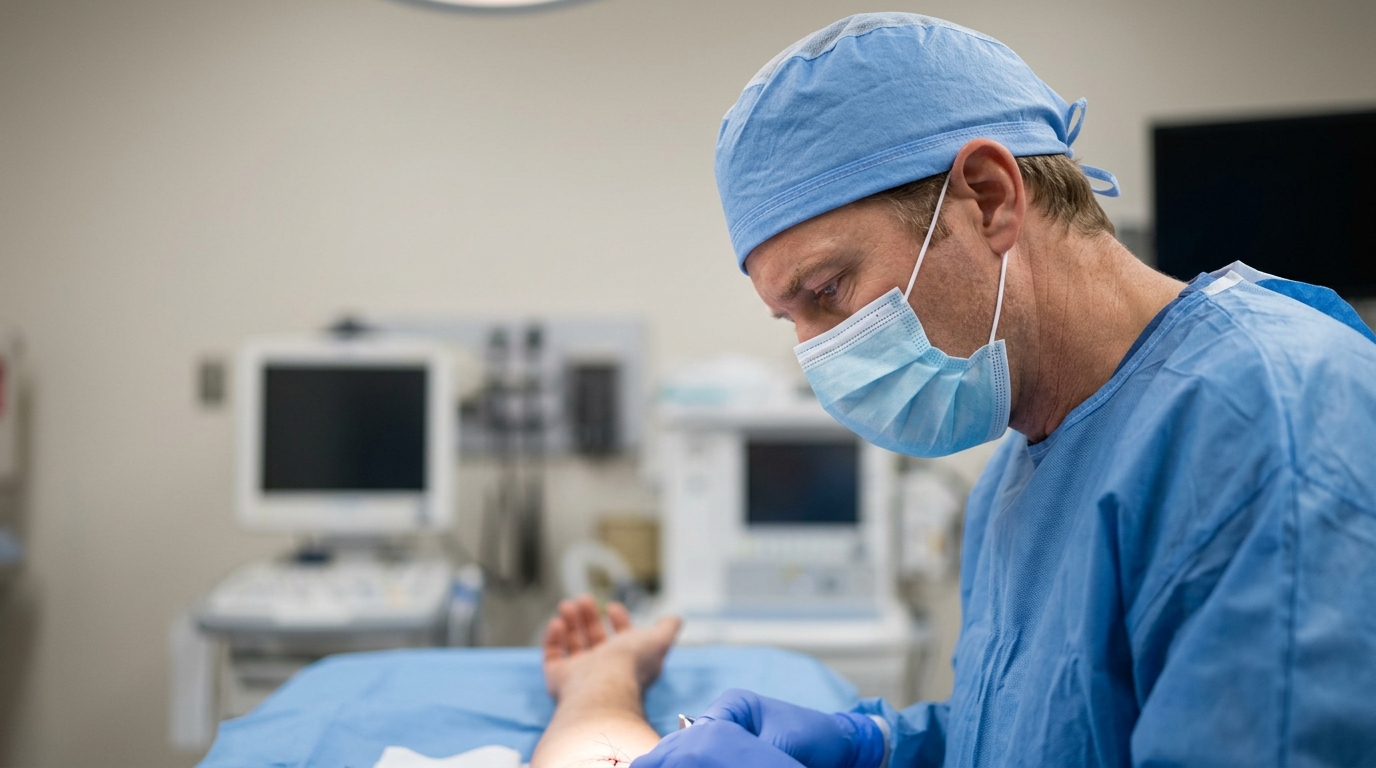
During the first two weeks, the wound undergoes active repair through collagen deposition and tissue remodeling. Sutures must maintain their structural integrity while the body builds new tissue beneath them. Removing sutures too early risks wound reopening, while leaving them too long can cause track marks or tissue embedding. Advanced sutures support this critical period by providing appropriate strength retention combined with therapeutic benefits. Dr. Deborah Ekstrom at Salisbury Plastic Surgery emphasizes careful timing of suture removal based on individual wound characteristics and healing rates.
How Might Sensor-Enabled Sutures Change Wound Care?
Emerging sensor technologies represent the frontier of wound monitoring innovation. These smart sutures can track conditions at the wound site and transmit data to healthcare providers, enabling proactive rather than reactive care. While still developing, sensor-enabled wound closure offers glimpses of how laceration repair may evolve.
What can smart sutures monitor during healing?
Sensor-enabled sutures can potentially track multiple wound parameters including temperature, pH levels, moisture content, and strain on the wound edges. Some designs incorporate sensors that detect early signs of infection before visible symptoms appear. Others monitor tissue oxygenation or inflammatory markers. This real-time data could alert clinicians to developing problems while interventions remain simple and effective.
How could sensor data improve follow-up care?
Traditional wound monitoring relies on periodic office visits where clinicians assess visible signs of healing. Continuous sensor data would enable remote monitoring, reducing unnecessary clinic visits while ensuring prompt attention when issues arise. Patients in surrounding communities like Holden, Massachusetts or Millbury could receive expert wound monitoring without traveling to Worcester. This technology could also help identify patients whose wounds are healing faster or slower than expected, allowing personalized care adjustments.
What Should You Expect During Laceration Repair Recovery?
Understanding the recovery process helps patients approach laceration repair with confidence. With modern suture technologies and proper wound care, most patients experience smooth healing with excellent cosmetic outcomes. Recovery expectations have improved significantly with advances in wound closure materials and techniques.
How long does it take for a sutured laceration to heal?
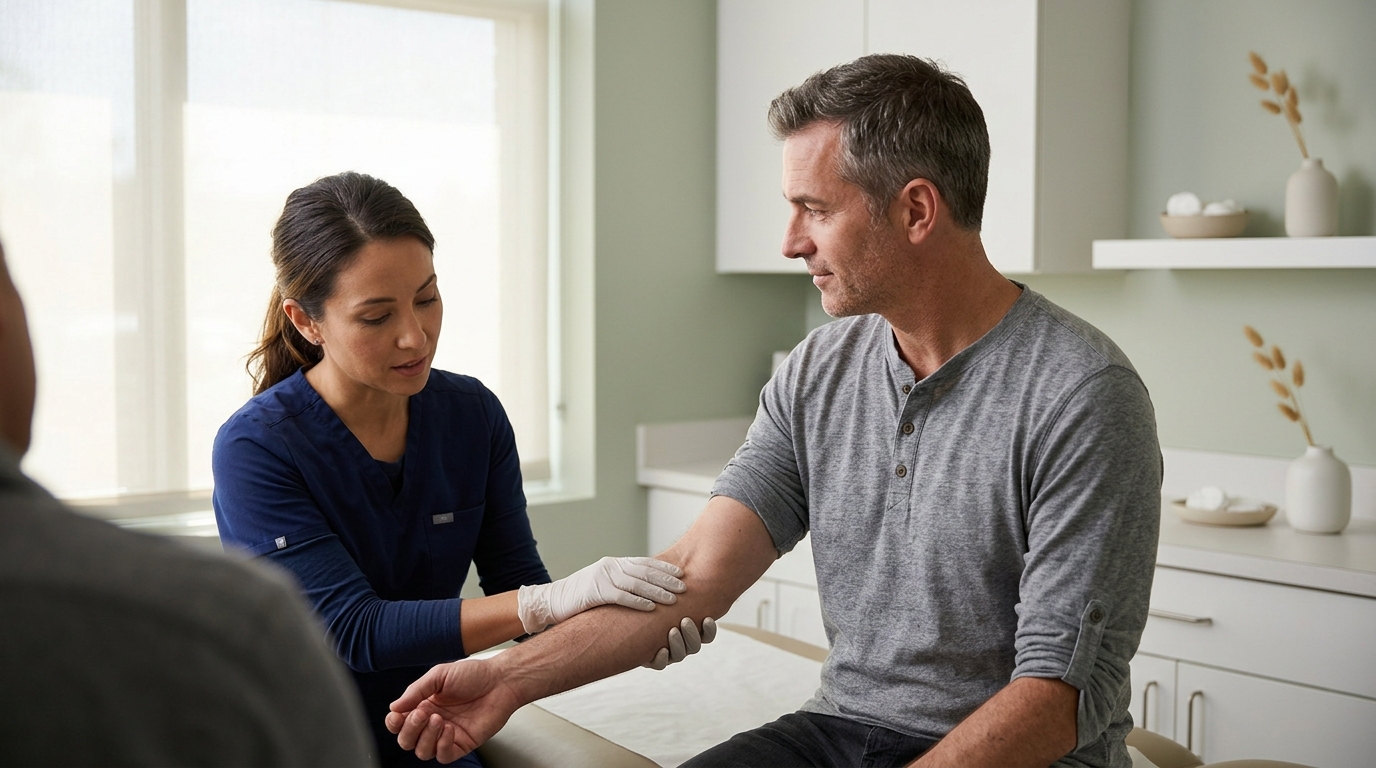
Surface healing typically occurs within 10-14 days for most simple lacerations. Deeper wounds may require longer suture support, sometimes three weeks or more. The underlying tissue strength develops over several months, with full remodeling continuing for up to a year. Patients should understand that visible healing happens much faster than complete tissue strengthening. Following proper wound care protocols during the first two weeks maximizes long-term outcomes.
What wound care steps support optimal results?
Keeping the wound clean and dry during the initial healing phase prevents infection. Following surgeon-specific instructions about dressing changes and activity restrictions protects the wound during vulnerable healing stages. Patients should attend all scheduled follow-up appointments for proper suture removal timing. Avoiding sun exposure on healing scars helps prevent discoloration. For lacerations in visible areas like the face or hands, protecting the scar during remodeling phases improves final cosmetic appearance.
Where Can Patients Near Worcester Find Expert Laceration Repair?
Residents throughout Central Massachusetts have access to skilled plastic surgical care for laceration repair without traveling to Boston. Salisbury Plastic Surgery in the Worcester area provides expert wound closure services using modern techniques and advanced materials. The practice serves patients from communities including Auburn, Grafton, Leicester, Boylston, and surrounding areas with comprehensive wound care.
Why choose a plastic surgeon for laceration repair?
Plastic surgeons undergo extensive training specifically focused on wound closure, scar management, and tissue handling. This specialized background provides expertise in achieving optimal cosmetic outcomes alongside proper functional repair. Dr. Deborah Ekstrom brings particular skill in aligning wounds with natural skin tension lines to minimize visible scarring. For lacerations on the face, hands, or other visible areas, plastic surgical training makes a meaningful difference in final appearance.
How does the Boston academic connection benefit Central Massachusetts patients?
The Boston academic medical community drives much of the innovation in plastic surgery techniques and materials. Salisbury Plastic Surgery maintains connections to these advances, bringing regional innovations to local patients. When advances like those described by Tufts Medical Center’s Dr. Homsy become available, Central Massachusetts patients benefit from practitioners who understand and implement these developments. This link between Boston innovation and Worcester-area practice ensures patients receive cutting-edge care close to home.
For residents throughout the greater Worcester region – including those in West Boylston, Shrewsbury, Holden, and beyond – Salisbury Plastic Surgery offers consultations for laceration repair and wound care needs. Dr. Deborah Ekstrom and the team provide personalized assessment using modern techniques designed to achieve the best possible healing outcomes. To schedule a consultation at Salisbury Plastic Surgery for your wound repair needs, please contact the practice directly.
Frequently Asked Questions
What new suture technologies are available for laceration repair in 2026?
Advanced sutures now incorporate multiple therapeutic features including antimicrobial coatings, anti-inflammatory properties, growth factor delivery, and sensor capabilities. Unlike traditional sutures that only held wound edges together mechanically, these next-generation materials function as active therapeutic agents during the healing process.
How do advanced sutures improve wound healing compared to traditional options?
Advanced sutures minimize tissue reactivity while delivering therapeutic benefits that traditional materials cannot. Growth factor-enhanced options actively promote tissue regeneration, resulting in improved cosmetic outcomes with fewer complications. Patients benefit from smaller scars, reduced infection concerns requiring fewer follow-up visits, and quicker return to normal activities.
Why is the first two weeks after laceration repair so critical for healing?
The first two weeks represent the most critical period for wound healing outcomes. During this tissue interface phase, the wound undergoes active repair through collagen deposition and tissue remodeling. Sutures must maintain structural integrity while the body builds new tissue beneath them. Advanced sutures are specifically engineered to optimize this crucial healing window through targeted therapeutic delivery.
How long does it take for a sutured laceration to fully heal?
Surface healing typically occurs within 10-14 days for most simple lacerations, while deeper wounds may require three weeks or more of suture support. Full tissue remodeling continues over several months, with complete strengthening extending up to a year. Patients should understand that visible healing happens much faster than complete tissue strengthening.
How do antimicrobial sutures prevent infection during wound healing?
Antimicrobial sutures incorporate agents such as triclosan into their structure, providing continuous antibacterial protection at the wound site. Unlike topical applications that wash away, these sutures release antimicrobial compounds gradually throughout the critical healing period. This sustained delivery significantly reduces bacterial colonization without requiring additional patient interventions.
What wound care steps support optimal results after laceration repair?
Keeping the wound clean and dry during the initial healing phase prevents infection. Following surgeon-specific instructions about dressing changes and activity restrictions protects the wound during vulnerable healing stages. Attending all scheduled follow-up appointments ensures proper suture removal timing, and avoiding sun exposure on healing scars helps prevent discoloration.
What can smart sensor-enabled sutures monitor during wound healing?
Sensor-enabled sutures can potentially track multiple wound parameters including temperature, pH levels, moisture content, and strain on wound edges. Some designs detect early signs of infection before visible symptoms appear, while others monitor tissue oxygenation or inflammatory markers. This real-time data could alert clinicians to developing problems while interventions remain simple and effective.
Related reading
- Ear Repair Surgery: GLP-1 Guidance Changes for Otoplasty Patients
- Plastic surgery derives its name from the Greek word ‘plastikos’ meaning
- Mini tummy tuck and full tummy tuck procedures are compared, explaining