Last updated: August 31, 2026
When estheticians tailor Hydrafacial intensity settings to your specific skin type, the difference between a standard treatment and a genuinely transformative one becomes measurable. According to Anne Therese Estheticians, who recently published customized facial intensity guidelines matching treatment depth to skin type categories, the shift toward date-aware, personalized protocols represents a new standard in skin rejuvenation. For adults in the Worcester, Massachusetts area seeking professional facial treatments, understanding how these protocols work – and why they matter – can make all the difference in achieving clearer, more radiant skin.
What Is a Hydrafacial and How Does It Work?
Hydrafacial is a non-invasive skin rejuvenation treatment that combines cleansing, exfoliation, extraction, hydration, and antioxidant protection in a single session. The system uses patented Vortex Fusion technology to deliver these benefits without discomfort or downtime.
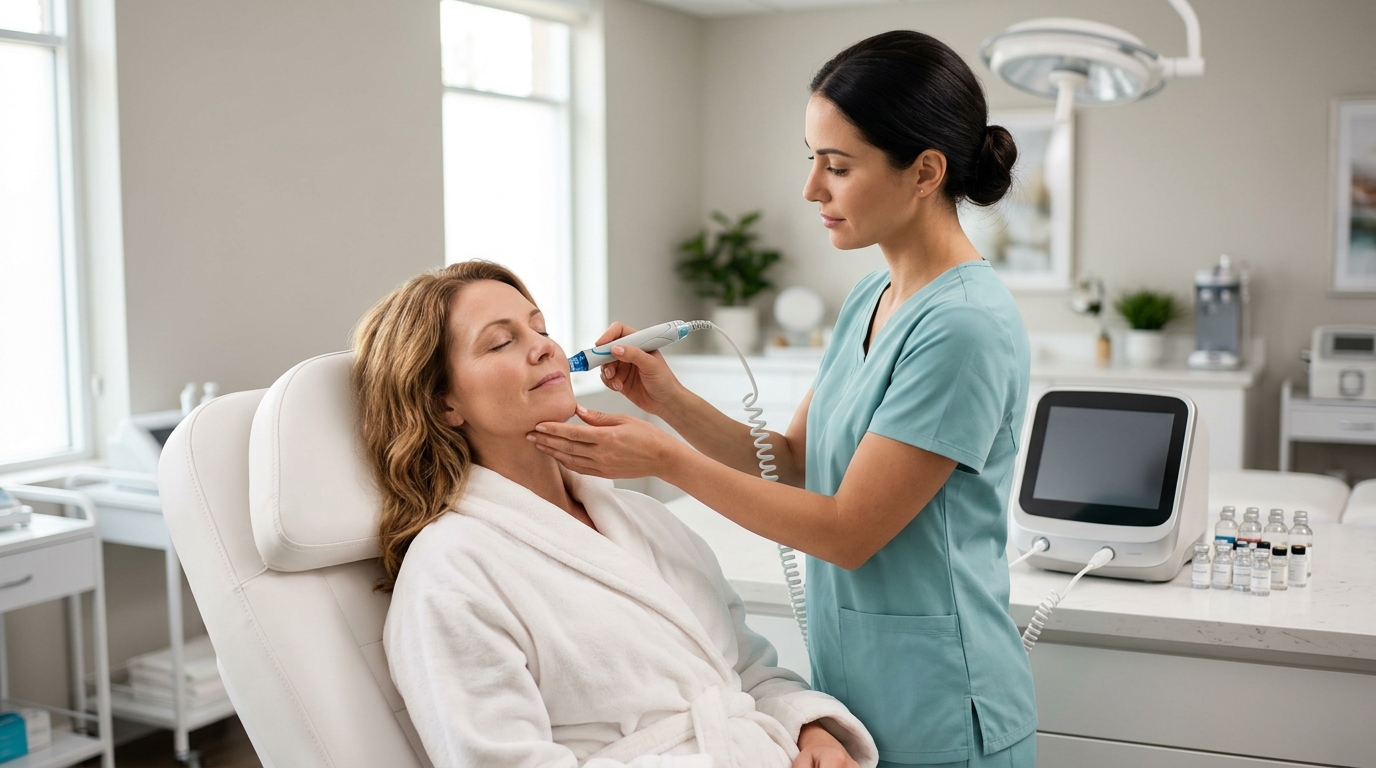
What is the vacuum-suction and serum-infusion mechanism behind Hydrafacial?
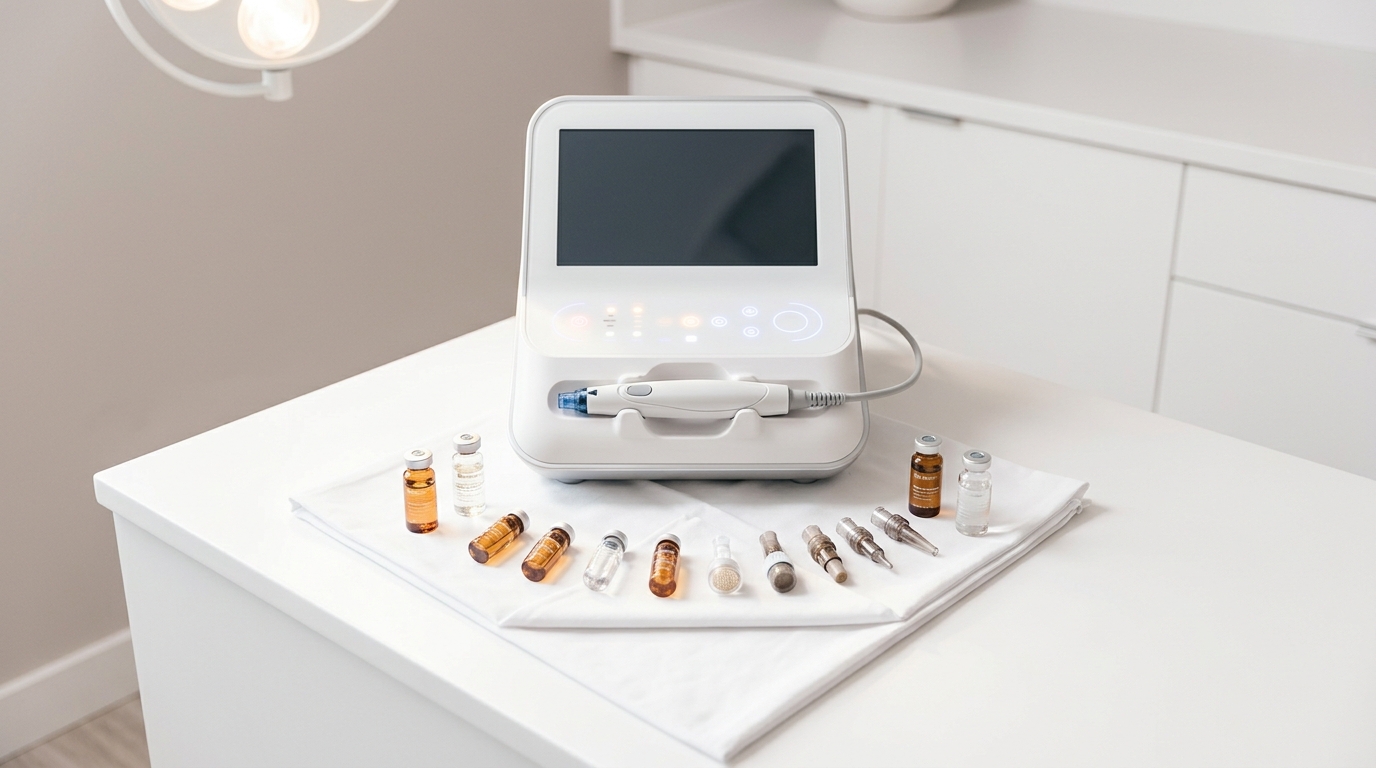
The Hydrafacial device features a specialized handpiece that creates gentle vacuum suction on the skin’s surface. This suction loosens dead skin cells, extracts impurities from pores, and simultaneously infuses active serums directly into the skin. The vortex action ensures that each serum reaches deeper layers than topical application alone could achieve. According to Labelle Vie Med, this three-step process – cleansing and peeling, extraction, and hydration – addresses fine lines, wrinkles, uneven skin tone, enlarged pores, and sun damage.
How does Hydrafacial differ from traditional facials?
Traditional facials rely on manual extractions and topical product application, which can be inconsistent and time-consuming. Hydrafacial’s mechanical approach delivers uniform suction strength across the treatment area, reducing the risk of bruising or incomplete extraction. The customizable serum selection allows providers to address multiple concerns simultaneously, making it suitable for patients seeking comprehensive results in a single visit.
Why Does Your Skin Type Matter for Hydrafacial Results?
Skin type classification directly influences how aggressively a provider can perform extraction and which serums will deliver optimal hydration without overwhelming sensitive skin. Matching intensity to your unique profile prevents under-treatment that yields minimal results and over-treatment that causes irritation. Seasonal skin care concerns should also be considered when determining appropriate treatment parameters.
What are the main skin type categories for Hydrafacial treatment?
Providers typically categorize skin into four primary types: normal, dry, oily, and combination. Sensitive skin represents a fifth category requiring additional caution. Each type responds differently to suction intensity and specific active ingredients. Oily skin may tolerate higher extraction settings, while dry or sensitive skin requires gentler approaches and more intensive hydration serums.
Why does matching intensity to skin type matter?
Using incorrect intensity settings can compromise outcomes regardless of product quality. This demonstrates that protocol adherence to skin-type-appropriate settings directly correlates with treatment efficacy and patient satisfaction.
What Makes Customized Intensity Protocols Different?
Customized intensity protocols go beyond simply selecting a serum by incorporating skin type classification into every treatment parameter. Anne Therese Estheticians’ recent guidelines emphasize that treatment depth, suction level, and serum concentration should align with both the patient’s skin type and the specific concerns being addressed during each session.
How do Hydrafacial intensity settings vary by skin type?
Providers can adjust vacuum suction strength across multiple levels, with lower settings recommended for thin, fragile skin and higher settings appropriate for thicker, oilier skin types. The serum infusion pressure similarly adjusts to ensure proper penetration without causing discomfort. These modifications apply to each phase of the treatment, from the initial exfoliation through extraction and into hydration.
How does the treatment date affect your protocol selection?
Seasonal changes affect skin behavior significantly. Humidity levels, sun exposure history, and even dietary shifts during holidays can alter how skin responds to treatment. Date-aware protocols account for these variations, allowing providers to shift from more intensive settings in summer months to more hydrating approaches as humidity drops. This adaptive strategy ensures consistent results regardless of when patients schedule their treatments.
What Skin Concerns Can a Personalized Hydrafacial Address?
When treatment intensity matches skin type, Hydrafacial effectively addresses a wide range of common concerns including dullness, uneven texture, congestion, and early signs of aging. The targeted serum selection amplifies these benefits by delivering active ingredients precisely where they are needed most.
How does customized Hydrafacial help with dull and rough skin?
Dull and rough skin typically results from accumulated dead skin cells and decreased cell turnover. Customized exfoliation settings remove this buildup more effectively than one-size-fits-all approaches while infusing brightening agents and antioxidants that restore radiance. Patients with dry skin receive richer hydrators, while those with combination skin benefit from balanced formulations that address both dehydration and excess oil production.
Can personalized settings improve large pores and breakouts?
Enlarged pores and breakouts often stem from excess sebum production and clogged follicles. Higher-intensity extraction settings prove more effective at removing deep-seated debris in oily skin types, while anti-inflammatory serums calm the irritation that often accompanies acne-prone complexions.
What Happens During a Customized Hydrafacial Session?
Understanding the treatment process helps patients approach their appointment with confidence. Customized Hydrafacial sessions follow a structured progression while allowing for real-time adjustments based on skin response and the specific protocol selected for your skin type.

How long does a personalized Hydrafacial take?
A complete customized Hydrafacial session typically requires 30 to 60 minutes depending on the treatment scope and whether additional boosters or LED therapy are incorporated. The consultation portion, where your provider assesses your skin and selects appropriate intensity settings, adds minimal time to the overall appointment.
What should I expect during the treatment?
Your provider will begin by cleansing your skin and assessing its current condition. The handpiece then delivers the three-phase protocol while your provider adjusts suction levels as needed. Most patients describe the sensation as a cool brush with gentle pulling, and no anesthetic is required. Immediately following treatment, you can resume normal activities without recovery time.
Risks, Side Effects and Who Is Not a Candidate
Hydrafacial is generally well-tolerated, but understanding potential risks ensures informed decision-making. Common side effects include temporary redness, mild sensitivity, and slight swelling immediately after treatment. These effects typically resolve within hours. Patients with active skin infections, open wounds, rosacea flares, or certain autoimmune conditions affecting the skin should discuss their specific situation with a qualified provider before treatment. Pregnant patients should consult their physician regarding any skincare treatments. Always discuss your complete medical history and current medications with your provider to determine whether Hydrafacial is appropriate for your circumstances.
Ready to Experience a Customized Hydrafacial in Worcester?
Salisbury Plastic Surgery, led by Dr. Deborah Ekstrom, offers personalized Hydrafacial treatments tailored to your unique skin type and concerns. If you are considering a customized facial treatment in the Worcester, Massachusetts area – including West Boylston, Auburn, Grafton, Holden, Leicester, Millbury, Shrewsbury, Boylston, or Paxton – schedule a consultation to discover how intensity-matched protocols can help you achieve your skin goals. Visit skin resurfacing services or laser skin resurfacing options or contact the office directly to learn more about available treatment options.
Frequently Asked Questions
What is a Hydrafacial and how does it work?
Hydrafacial is a non-invasive skin rejuvenation treatment that combines cleansing, exfoliation, extraction, hydration, and antioxidant protection in a single session using patented Vortex Fusion technology. The device creates gentle vacuum suction that loosens dead skin cells, extracts impurities from pores, and simultaneously infuses active serums directly into the skin for deeper penetration than topical application alone.
How long does a customized Hydrafacial treatment take?
A complete customized Hydrafacial session typically requires 30 to 60 minutes depending on the treatment scope and whether additional boosters or LED therapy are incorporated. The consultation portion, where your provider assesses your skin and selects appropriate intensity settings, adds minimal time to the overall appointment.
What results can I expect from a customized Hydrafacial?
When treatment intensity matches skin type, Hydrafacial effectively addresses dullness, uneven texture, congestion, and early signs of aging. The targeted serum selection amplifies these benefits by delivering active ingredients precisely where needed.
What are the main skin type categories for Hydrafacial treatment?
Providers typically categorize skin into four primary types: normal, dry, oily, and combination, with sensitive skin representing a fifth category requiring additional caution. Each type responds differently to suction intensity and specific active ingredients. Oily skin may tolerate higher extraction settings, while dry or sensitive skin requires gentler approaches and more intensive hydration serums.
What are the risks and side effects of Hydrafacial?
Common side effects include temporary redness, mild sensitivity, and slight swelling immediately after treatment that typically resolve within hours. Patients with active skin infections, open wounds, rosacea flares, or certain autoimmune conditions affecting the skin should discuss their specific situation with a qualified provider before treatment. Pregnant patients should consult their physician regarding any skincare treatments.
How do customized intensity settings improve Hydrafacial results?
Customized protocols adjust vacuum suction strength across multiple levels based on skin type – lower settings for thin, fragile skin and higher settings for thicker, oilier types. Serum infusion pressure similarly adjusts to ensure proper penetration without causing discomfort. Treatment depth and serum concentration align with both the patient’s skin type and specific concerns being addressed during each session.
How does seasonal timing affect Hydrafacial treatment protocols?
Seasonal changes significantly affect skin behavior. Humidity levels, sun exposure history, and dietary shifts during holidays can alter how skin responds to treatment. Date-aware protocols allow providers to shift from more intensive settings in summer months to more hydrating approaches as humidity drops. This adaptive strategy ensures consistent results regardless of when patients schedule their treatments.
This article is general information and is not medical advice. Talk to a licensed clinician about your own situation before making a treatment decision.