
Last updated: August 9, 2026
Discover why buccal fat removal demand is rising in 2025. Learn about facial slimming, candidacy, and what to expect from this procedure.
Global search interest in buccal fat removal has surged over 200% since 2022, averaging approximately 165,000 monthly searches and signaling sustained, high consumer demand for facial slimming procedures. This rapid growth reflects a broader cultural shift toward facial contouring as an accessible option for adults seeking a more sculpted appearance. For patients across central Massachusetts – from Worcester to Grafton and surrounding communities – this trend has brought this surgery into serious consideration as a viable path to redefining their facial profile.
What Is Buccal Fat Removal and Why Is Interest Growing?
Buccal fat removal is a surgical procedure that extracts excess fat from the buccal cavity – the natural fat pad located between the cheekbone and jawbone – to create a slimmer, more defined facial contour. Interest in this procedure has grown dramatically as social media platforms showcase before-and-after transformations and as awareness spreads that targeted fat removal in the mid-face can produce elegant, natural-looking results. Unlike injectable fillers that add volume, this surgery subtracts it, making it a distinct option within the broader category of facial contouring. Patients who feel their cheeks appear overly full or rounded – colloquially described as having a “baby face” or “chubby cheeks” – often find this procedure aligns closely with their aesthetic goals.
What Causes Chubby Cheeks or a Round Face?
Chewy cheeks and a rounded facial shape stem from a combination of genetic fat distribution, natural weight fluctuations, and the structural anatomy of the mid-face. Some individuals carry a larger buccal fat pad by inheritance, meaning diet and exercise may reduce overall body fat without meaningfully changing cheek fullness. The buccal fat pad varies in size from person to person, and its prominence is largely determined before adulthood, which explains why cheek volume can feel resistant to lifestyle changes. Understanding this distinction helps patients recognize that buccal fat removal addresses a structural characteristic that other approaches cannot efficiently target.
How Does Buccal Fat Differ From Other Facial Fat?
Buccal fat is a discrete, encapsulated fat pad with defined borders, distinct from the diffuse subcutaneous fat that lies just beneath the skin across the face. Because it sits deeper within the cheek and is surrounded by connective tissue, it does not respond to non-invasive fat-reduction treatments that target surface-level fat. This anatomical specificity is why surgical removal produces more predictable and noticeable contour changes in the cheek hollows and lower face. The procedure focuses exclusively on this localized fat deposit, leaving surrounding tissues and surface fat layers undisturbed.
What Is the Buccal Fat Pad and How Does Removal Contour the Face?
The buccal fat pad is a naturally occurring mass of soft tissue nestled within the mid-cheek, providing structural support and cushioning to the cheeks during chewing and facial movement. Surgical removal of a portion of this pad reduces internal cheek volume, allowing the cheekbones and jawline to become more visually prominent. The result is a defined separation between the cheekbone and the lower face, producing the sculpted, angular appearance many patients desire.
What Anatomical Role Does the Buccal Fat Play?
The buccal fat pad serves functional and structural roles, including facilitating smooth cheek movement during mastication and providing volume to the mid-face. In clinical anatomy, the pad is situated between the masseter muscle and the buccinator muscle, making it accessible through an intraoral incision. While the fat pad contributes to facial fullness, its removal does not impair normal facial function, and studies document that patients experience no significant loss of chewing ability or facial mobility following the procedure. A retrospective clinical review published in the National Institutes of Health’s PMC database has examined the anatomical safety and outcomes associated with targeted buccal fat extraction, supporting the procedure’s established anatomical basis.
Who Is an Ideal Candidate for Buccal Fat Removal?
Ideal candidates for this cheek-slimming procedure are adults in good overall health who are bothered by excessive cheek fullness and seek a more sculpted facial profile. Suitability depends less on age alone and more on facial anatomy, skin elasticity, and realistic expectations about the outcome. A thorough consultation with a board-certified plastic surgeon helps determine whether this surgery is the most appropriate approach or whether complementary procedures would better serve the patient’s goals.
What Facial Features Make Someone a Good Candidate?
Patients with well-defined cheekbones who desire more contrast between their cheekbones and the lower portion of their face often see excellent results from this technique. A strong jawline, defined chin, and prominent cheekbones all contribute to a harmonious outcome, as these features provide the structural framework that becomes more visible after buccal fat is reduced. Individuals with a square or rounded jaw shape, lower-positioned fat volume in the cheeks, or a soft, full mid-face profile tend to benefit most. Surgeons evaluate the relationship between the fat pad and surrounding bony structures during the consultation to ensure the planned removal will produce balanced proportions.
What Skin Quality Factors Matter for Results?
Skin elasticity plays a significant role in how well the cheek area adapts after fat removal. Younger patients typically have firmer, more resilient skin that contracts naturally over the newly shaped underlying structure. However, adults with good skin quality regardless of age can also be excellent candidates, provided the skin has enough tone to redrape smoothly. Patients with significant skin laxity may be counseled that additional procedures, such as a midface lift, could be recommended alongside this surgery to address loose tissue and achieve a comprehensive rejuvenation. During consultations, Dr. Deborah Ekstrom assesses each patient’s skin condition as part of a comprehensive evaluation of facial anatomy.
What Happens During a Buccal Fat Removal Procedure?
Buccal fat removal is typically performed as an outpatient procedure under local anesthesia with sedation or general anesthesia, depending on the patient’s preference and the surgeon’s recommendation. The operation takes approximately 30 to 60 minutes, and patients usually return home the same day. Because the incision is placed inside the mouth, there is no visible external scarring, which is a significant advantage for patients concerned about discrete recovery.
How Is the Incision Placed and Concealed?
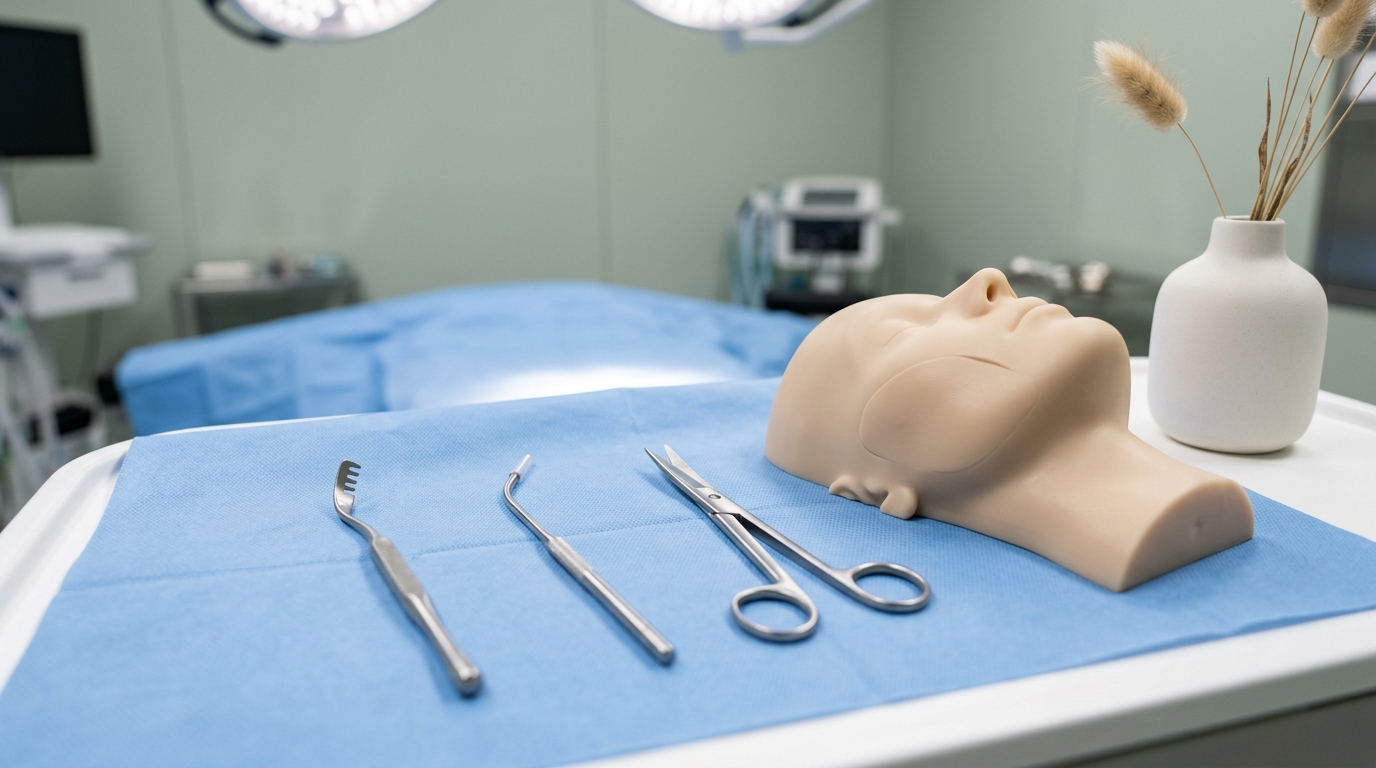
The surgeon makes a small incision on the inside of each cheek, typically along the moist mucosal surface near the second upper molar. This intraoral approach means the wound heals without leaving any visible marks on the facial skin. Through this opening, the surgeon carefully identifies and extracts the appropriate amount of buccal fat, then closes the incision with absorbable sutures that dissolve within one to two weeks. The concealment of the scar inside the mouth is one of the procedure’s most valued characteristics, allowing patients to achieve facial slimming without anyone knowing the surgical source of their transformation.
What Techniques Do Surgeons Use for Precise Fat Removal?
Surgeons employ meticulous technique to assess the fat pad’s boundaries and determine the precise amount to remove, ensuring symmetry between the left and right sides of the face. Gentle retraction of the cheek tissue provides direct visualization of the buccal fat pad, allowing controlled extraction. Dr. Deborah Ekstrom and experienced plastic surgeons emphasize conservative removal – taking enough fat to create noticeable contouring without over-resecting, which can produce an unnaturally hollowed appearance over time. Precise surgical planning and careful tissue handling are central to achieving results that look natural and age gracefully.
What Can I Expect During Recovery From Buccal Fat Removal?
Recovery from this procedure is generally straightforward and well tolerated, with most patients resuming light daily activities within a few days. Swelling is the primary post-operative concern and typically peaks within the first 48 to 72 hours before gradually subsiding. The use of cold compresses and a soft-food diet during the initial healing phase helps manage discomfort and protects the intraoral incision sites.

How Long Is the Typical Healing Timeline?
Most patients return to work and social activities within five to seven days, though residual swelling may persist for several weeks. The majority of swelling resolves within the first month, and the final refined contour of the cheeks generally settles within three to six months as the tissues continue to adapt. Patients are advised to avoid strenuous physical activity for at least two weeks to minimize swelling and protect the healing incision sites. Complete internal healing of the buccal cavity typically takes several weeks, during which maintaining excellent oral hygiene is essential to support recovery.
What Post-Operative Care Instructions Support Optimal Healing?
Patients receive detailed post-operative guidance including a liquid or soft-food diet for the first several days, avoidance of spicy or acidic foods that could irritate the intraoral incision, and gentle mouth rinsing with a prescribed antiseptic solution. Applying cold compresses to the outer cheek during the first 48 hours reduces swelling, and keeping the head elevated while sleeping supports fluid drainage. Patients should attend all follow-up appointments so their surgeon can monitor healing progress and address any concerns promptly. Adhering to these care instructions contributes significantly to a smooth recovery and helps ensure the best possible aesthetic outcome.
What Results Can Buccal Fat Removal Achieve?
This procedure reshapes the mid-face by reducing cheek volume from within, creating a visible narrowing of the face and enhanced definition along the cheekbones and jawline. The surgery produces a more sculpted facial silhouette that remains stable long-term, as the removed fat pad does not regenerate. Patients often report increased confidence in their appearance and satisfaction with a profile that better reflects their sense of themselves.
How Does This Procedure Slim and Define the Face?
By reducing the internal volume of the cheeks, this surgery allows the natural architecture of the cheekbones and jaw to become the defining features of the face. The procedure creates a subtle but unmistakable hollow beneath the cheekbone, adding dimension and contrast that strengthens the overall facial structure. This contouring effect is particularly striking in photographs and from angled views, where the newly defined jawline and cheekbone line become more apparent. For patients who have long felt their face appeared overly round or full, the change often feels both transformative and remarkably natural.
When Do Final Results Become Visible?
While patients notice an immediate change in cheek fullness after the procedure, swelling progressively refines the result over the following weeks and months. Initial improvements are visible once swelling subsides significantly in the first three to four weeks, with the final refined contour typically evident by three to six months post-procedure. The permanence of fat removal means that once the results settle, they remain stable even as the natural aging process continues. Patients in communities across central Massachusetts – including Grafton, Shrewsbury, Worcester, and Auburn – have found that this long-lasting improvement integrates seamlessly with their evolving facial appearance over time.
What Alternatives Exist for Reducing Puffy Cheeks or a Round Face?
Several non-surgical and surgical alternatives can address concerns about facial fullness, each offering different benefits and degrees of invasiveness. Patients who are uncertain about surgery may explore these options first, while others choose to combine them with this surgery for more comprehensive facial rejuvenation. Understanding the full range of available treatments helps patients make confident decisions about their care.
How Do Non-Surgical Options Compare to This Procedure?
Non-surgical approaches to facial slimming include injectable treatments such as dermal fillers, which add volume rather than remove it, and skin-tightening devices that stimulate collagen production. These options work best for patients whose concerns stem from skin laxity or volume loss rather than excess buccal fat. Non-invasive fat reduction technologies targeting the face exist, but their effectiveness on the deep buccal fat pad is limited because of its anatomical depth. This surgery remains the most predictable and definitive surgical solution for patients specifically seeking reduction of cheek volume.
Can Multiple Procedures Combine With Buccal Fat Removal?
Buccal fat removal pairs well with other facial procedures to address multiple concerns simultaneously. Patients undergoing a facelift or midface lift may include buccal fat reduction as part of a comprehensive facial rejuvenation plan, treating both volume and tissue laxity in a single surgical session. Neck liposuction can complement this surgery by enhancing jawline definition below the chin, creating a cohesive contour from cheek to neck. For patients experiencing volume loss after significant weight reduction – sometimes referred to as “Ozempic face” – fat transfer procedures may be discussed alongside this procedure to restore balanced facial volume. Combining procedures can be an efficient way to achieve harmonious results, and a personalized surgical plan developed during consultation ensures each element supports the overall aesthetic goal.
Why Are More Patients in Massachusetts Considering Buccal Fat Removal?
The rise in this procedure across Massachusetts reflects broader national trends amplified by social media visibility and increased access to board-certified plastic surgeons in the region. Patients throughout Worcester County and surrounding communities – from West Boylston and Holden to Leicester, Millbury, Boylston, and Paxton – are increasingly aware of facial contouring as a realistic option, not a luxury reserved for celebrities. Board-certified plastic surgeons in the area report growing consultation requests from adults who have done their research and arrive prepared to discuss the procedure’s benefits and expectations. This informed patient population drives a meaningful shift in how facial aesthetics are approached across central Massachusetts.
How Has Social Media Influenced Interest in Facial Contouring?
Platforms showcasing before-and-after imagery have played a significant role in normalizing buccal fat removal and raising awareness of what the procedure can accomplish. Studies examining the relationship between social media use and interest in plastic surgery have documented measurable increases in patient inquiries following popular posts and celebrity transformations. Patients today often arrive at consultations with clear visual references and specific questions, reflecting a more educated and intentional approach to facial contouring. This shift toward informed patient engagement benefits both surgeons and patients, supporting productive conversations about realistic goals and appropriate treatment plans.
Is Buccal Fat Removal Right for You?
Buccal fat removal offers a compelling solution for adults who desire a slimmer, more sculpted facial profile by addressing the root cause of cheek fullness directly. The procedure’s increasing popularity, backed by growing clinical experience and refined surgical techniques, reflects its ability to deliver meaningful and lasting results with minimal visible scarring. Understanding the anatomy, candidacy requirements, and realistic expectations for recovery are essential first steps toward making a confident decision. For patients across central Massachusetts – whether near Grafton, Shrewsbury, or Worcester – the opportunity to explore this surgery begins with a one-on-one consultation.
Salisbury Plastic Surgery, led by Dr. Deborah Ekstrom, welcomes patients from Grafton, Worcester, Auburn, West Boylston, Holden, Leicester, Millbury, Shrewsbury, Boylston, Paxton, and surrounding Massachusetts communities for personalized facial contouring consultations. If you are curious about this surgery and want to learn whether it aligns with your aesthetic goals, we invite you to contact Salisbury Plastic Surgery to schedule a consultation and take the first step toward a more defined facial profile.
Frequently Asked Questions
What is buccal fat removal and how does it contour the face?
Buccal fat removal is a surgical procedure that extracts excess fat from the buccal cavity, the natural fat pad between the cheekbone and jawbone, to create a slimmer facial profile. The surgeon makes a small incision inside the mouth near the second upper molar and carefully removes the appropriate amount of buccal fat. Because the incision is intraoral, there is no visible external scarring. The procedure creates a defined separation between the cheekbone and lower face, producing a sculpted, angular appearance.
Who is an ideal candidate for buccal fat removal?
Ideal candidates are adults in good overall health who are bothered by excessive cheek fullness and seek a more sculpted facial profile. Patients with well-defined cheekbones, a strong jawline, and good skin elasticity often see excellent results. The procedure works best for those whose cheek volume stems from a larger buccal fat pad rather than overall body fat. A consultation with a board-certified plastic surgeon helps determine whether this surgery is the most appropriate approach for each patient’s goals.
How long is the recovery time after buccal fat removal?
Most patients resume light daily activities within a few days and return to work within five to seven days. Swelling typically peaks within the first 48 to 72 hours before gradually subsiding, with most swelling resolving within the first month. The final refined contour generally settles within three to six months as tissues continue to adapt. Patients should avoid strenuous physical activity for at least two weeks and maintain a soft-food diet during initial healing.
What results can I expect from buccal fat removal?
Buccal fat removal reshapes the mid-face by reducing cheek volume, creating a visible narrowing and enhanced definition along the cheekbones and jawline. The result is a more sculpted facial silhouette that remains stable long-term because the removed fat pad does not regenerate. Initial improvements are visible once significant swelling subsides in the first three to four weeks, with final refined contours typically evident by three to six months. Patients often report increased confidence in their appearance.
What causes chubby cheeks or a round face?
Chubby cheeks and a rounded facial shape stem from a combination of genetic fat distribution, natural weight fluctuations, and mid-face structural anatomy. Some individuals inherit a larger buccal fat pad, meaning diet and exercise may reduce overall body fat without meaningfully changing cheek fullness. The buccal fat pad varies in size from person to person and its prominence is largely determined before adulthood, which explains why cheek volume often resists lifestyle changes.
Can buccal fat removal be combined with other procedures?
Buccal fat removal pairs well with facelifts, midface lifts, and neck liposuction for comprehensive facial rejuvenation. Neck liposuction complements the procedure by enhancing jawline definition below the chin. For patients experiencing volume loss after significant weight reduction, fat transfer procedures may be discussed alongside buccal fat removal to restore balanced facial volume. Combining procedures can efficiently achieve harmonious results through a personalized surgical plan developed during consultation.
Does buccal fat removal affect facial function?
The buccal fat pad serves functional and structural roles, including facilitating smooth cheek movement during mastication and providing volume to the mid-face. Surgical removal of a portion of this pad does not impair normal facial function. Studies document that patients experience no significant loss of chewing ability or facial mobility following the procedure. The buccal fat pad is situated between the masseter muscle and buccinator muscle, making it accessible through an intraoral incision with minimal impact on surrounding structures.